10 Common Misconceptions About SolidWorks in Product Development


Understanding SolidWorks in Product Development
SolidWorks is a powerful tool used in product development, yet several misconceptions can lead to confusion or underutilization. In this post, we aim to address some of these misunderstandings and provide clarity on the capabilities and limitations of this software.

Misconception 1: SolidWorks is Only for Mechanical Engineers
One common misconception is that SolidWorks is solely for mechanical engineers. However, its capabilities extend beyond mechanical design. SolidWorks is used in various fields, including architecture, medical devices, and consumer products. Its versatile tools allow professionals from diverse industries to create precise 3D models and simulations.
Reality: SolidWorks is a cross-disciplinary tool that supports a wide range of applications, making it valuable for different sectors.
Misconception 2: SolidWorks is Difficult to Learn
Many believe that SolidWorks has a steep learning curve, but it is designed with user-friendliness in mind. The software offers a robust set of tutorials and a supportive community, which helps users of all skill levels quickly adapt and improve their proficiency.

Reality: With the right resources, learning SolidWorks can be a smooth and rewarding experience.
Misconception 3: SolidWorks is Not Suitable for Complex Designs
Another myth is that SolidWorks cannot handle complex or large-scale designs. In truth, SolidWorks is equipped with advanced features that enable users to create intricate assemblies and detailed simulations. The software's ability to manage complex projects makes it a preferred choice for many engineers and designers.
Reality: SolidWorks is capable of managing both simple and complex designs with efficiency.

Misconception 4: SolidWorks is Expensive
The perception that SolidWorks is prohibitively expensive can deter potential users. While the initial investment may seem high, the software provides excellent value through its comprehensive tools and capabilities, which can lead to long-term savings and efficiency in product development.
Reality: The investment in SolidWorks often pays off in productivity and innovation.
Misconception 5: SolidWorks is Only for 3D Modeling
While 3D modeling is a core function, SolidWorks offers much more. It includes tools for simulation, data management, and even electrical design, making it a holistic solution for product development needs.
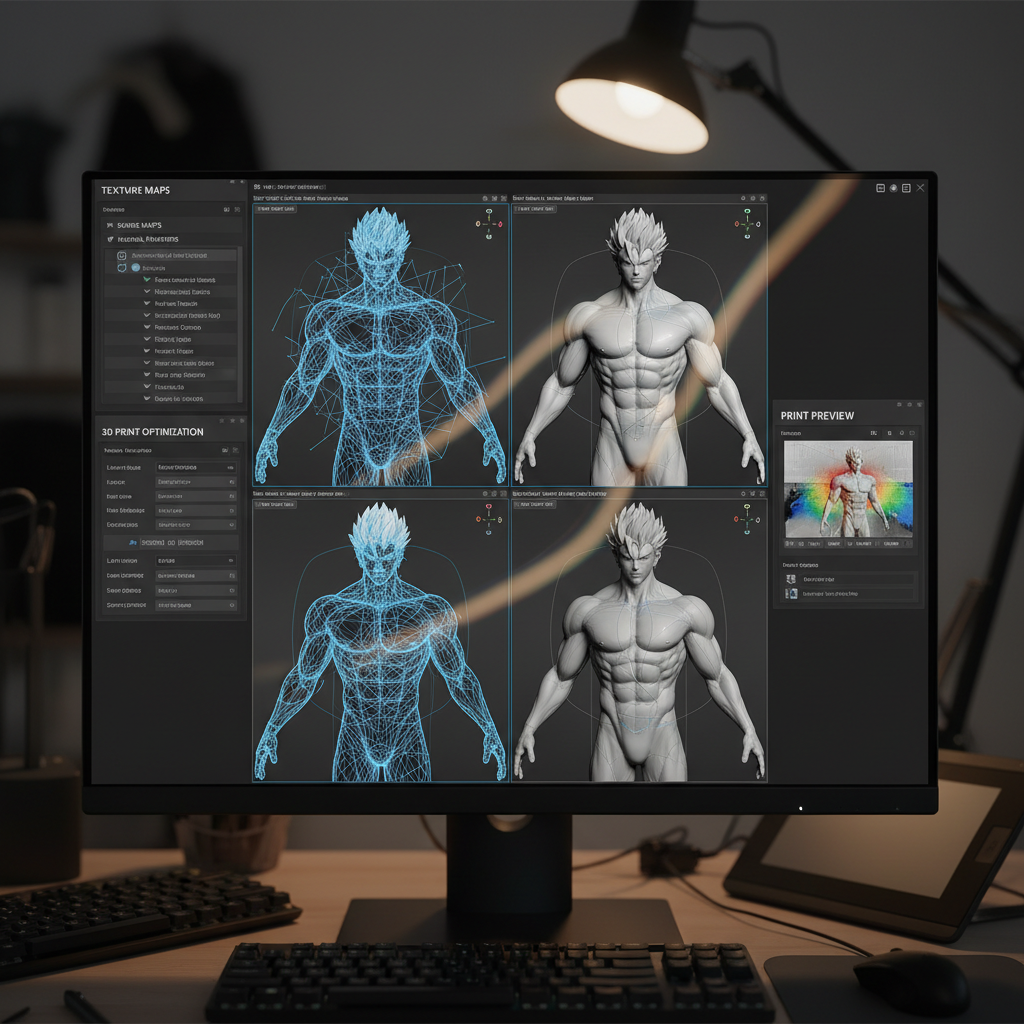
Reality: SolidWorks is a multi-functional platform that supports various aspects of product development.
Conclusion
Understanding the full potential of SolidWorks can transform how companies approach product development. By debunking these common misconceptions, users can better leverage the software's capabilities to innovate and enhance their design processes. Whether you're an engineer, designer, or part of another field, SolidWorks offers tools that can elevate your work to the next level.