Debunking Myths: What You Need to Know About Smart Technology in Design


Understanding Smart Technology in Design
Smart technology is revolutionizing the design world, yet misconceptions about its complexity and applicability still persist. Many designers are hesitant to embrace these innovations, fearing they may be too complicated or expensive. However, smart technology is becoming more accessible and user-friendly, reshaping how we approach design projects.
One of the main myths is that smart technology is only for tech-savvy individuals. In reality, many smart devices are designed with simplicity in mind, allowing designers to integrate them seamlessly into their projects without needing extensive technical knowledge.
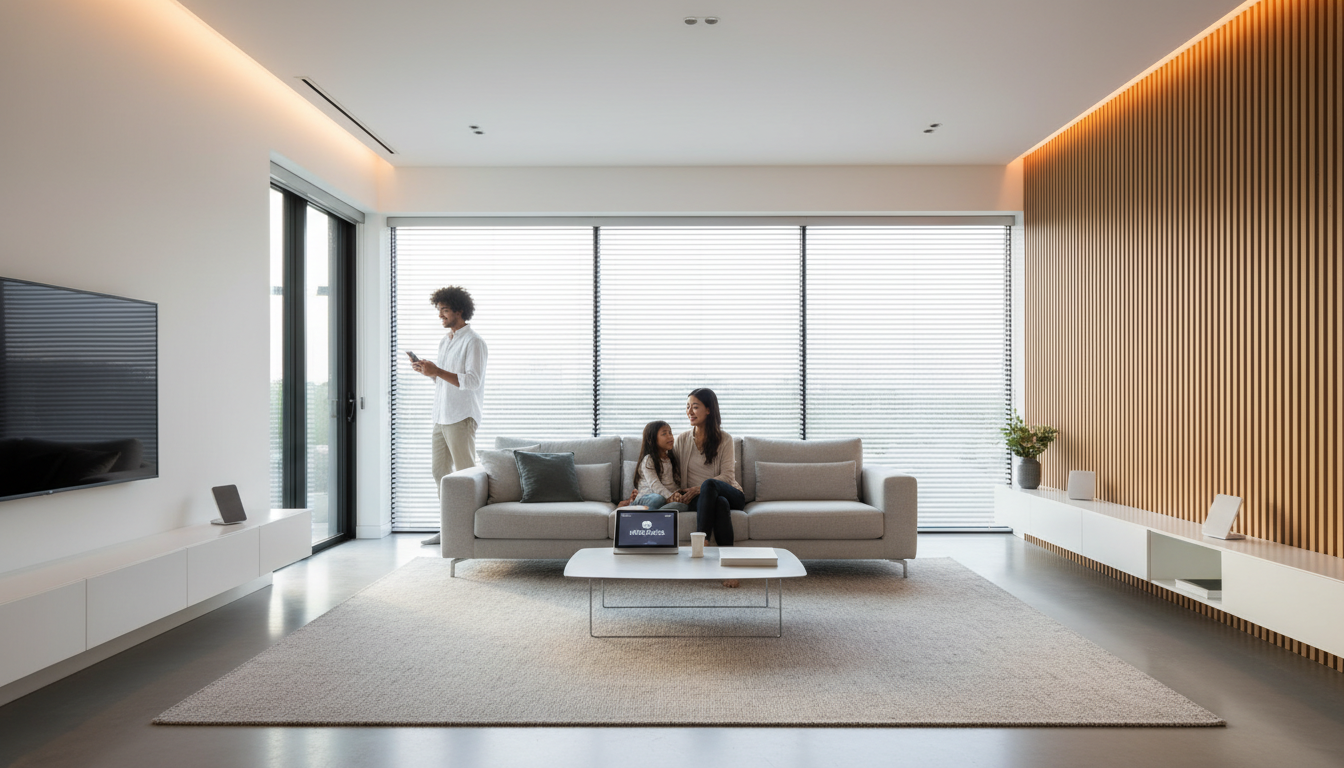
Myth: Smart Technology is Too Expensive
A common misconception is that smart technology comes with a hefty price tag. While some high-end options exist, there is a wide range of affordable smart devices available. Many companies offer budget-friendly alternatives that provide essential features without breaking the bank.
Moreover, investing in smart technology can lead to long-term savings. Energy-efficient devices, for example, can reduce utility bills, making them a cost-effective choice over time.

Myth: Smart Technology Complicates Design
Some designers worry that incorporating smart technology will complicate their projects. However, many smart devices are designed to be intuitive and easy to use. They often come with straightforward installation processes and user-friendly interfaces.
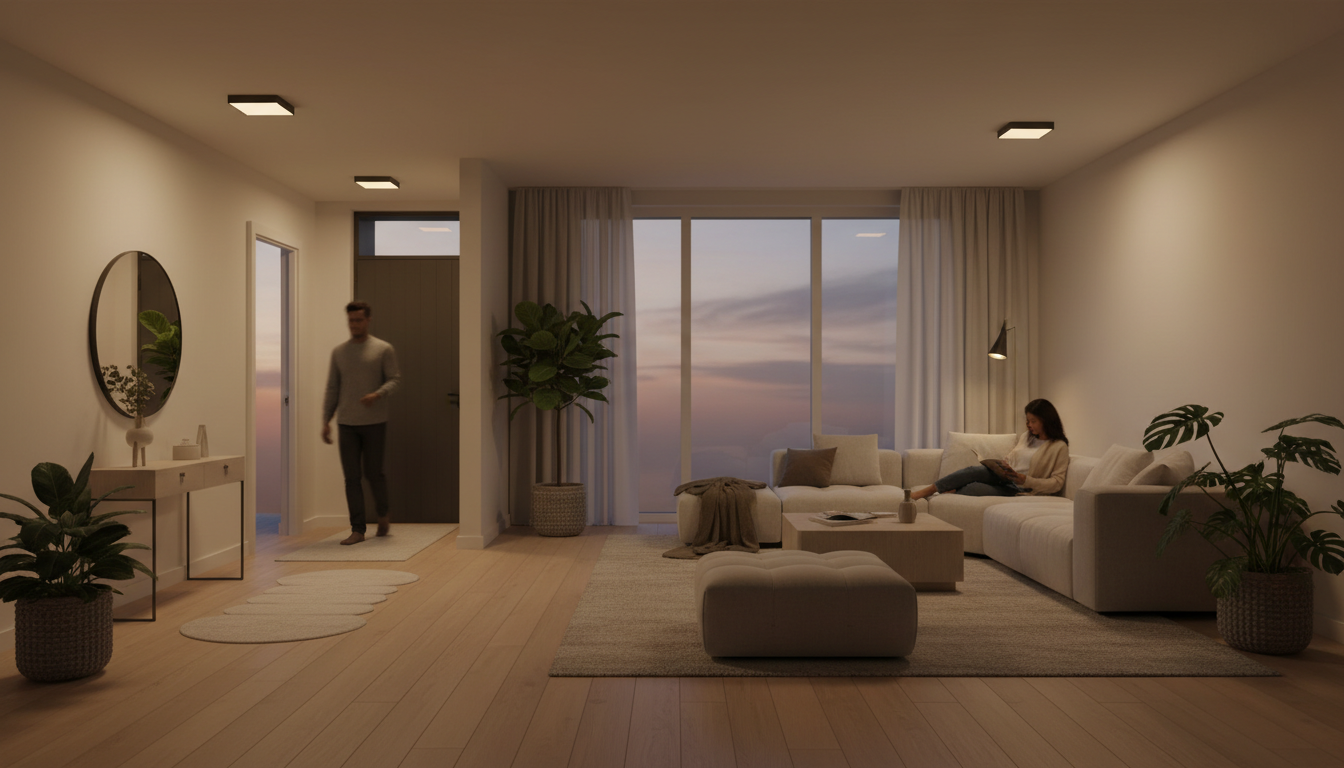
Additionally, smart technology can enhance design by providing greater flexibility and personalization options. For example, smart lighting systems allow for customizable ambiance settings, which can dramatically transform a space's atmosphere.
The Benefits of Smart Technology in Design
Embracing smart technology offers numerous advantages, including improved functionality and efficiency. Smart thermostats, for example, learn user preferences and adjust settings automatically, optimizing comfort and energy use.
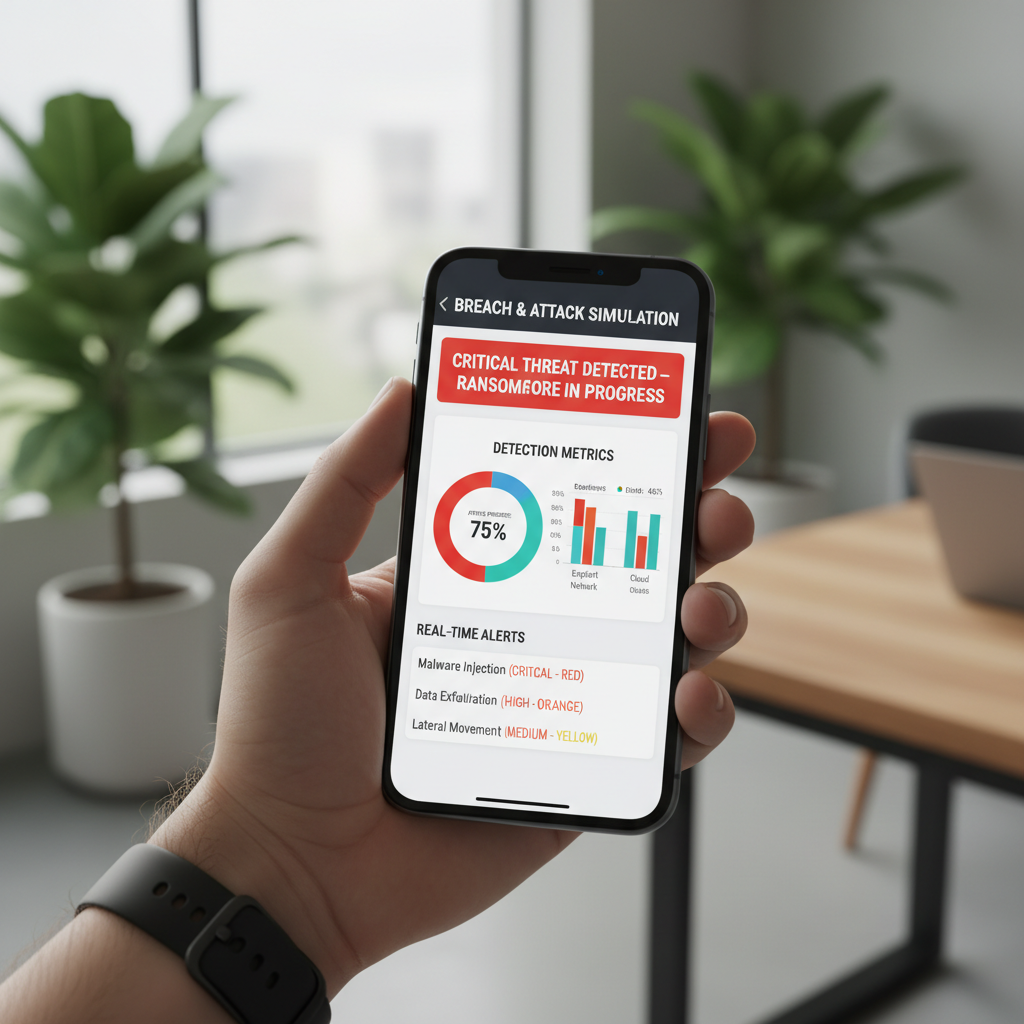
Furthermore, smart security systems provide enhanced protection and peace of mind. Features such as remote monitoring and instant notifications give users greater control over their environments.
Conclusion: Embrace the Future of Design
Smart technology is no longer a niche tool for tech enthusiasts but a valuable asset for designers seeking to innovate and improve their projects. By debunking myths and understanding the real potential of smart technology, designers can create more efficient, personalized, and sustainable spaces.
As technology continues to evolve, staying informed and open-minded will be crucial for those in the design industry. Embrace smart technology as a means to enhance creativity and functionality, and watch your projects thrive in this digital age.