From Concept to Creation: The Importance of Prototyping in Product Design


Understanding the Role of Prototyping
In the realm of product design, turning an idea into a tangible product involves several critical steps. Among these, prototyping stands out as a crucial phase. Prototyping bridges the gap between concept and creation, offering a tangible representation of ideas that can be tested and refined.
Prototyping allows designers to explore ideas in real-world contexts, providing opportunities to identify and solve potential issues early in the development process. It serves as a blueprint for the final product, ensuring that the design meets the intended functionality and user needs.
The Benefits of Prototyping
Prototyping offers a multitude of benefits, from enhancing communication to improving the overall design. Here are some key advantages:
- Enhanced Communication: A prototype provides a visual and functional representation of the product, facilitating better communication among stakeholders, including designers, developers, and clients.
- Early Error Detection: By testing a prototype, designers can uncover potential flaws and address them before they escalate into costly mistakes.
- User Feedback: Prototypes allow for user testing, providing valuable insights into user experience and preferences.
Types of Prototyping
There are various prototyping methods, each serving different purposes depending on the design stage and requirements. The most common types include:
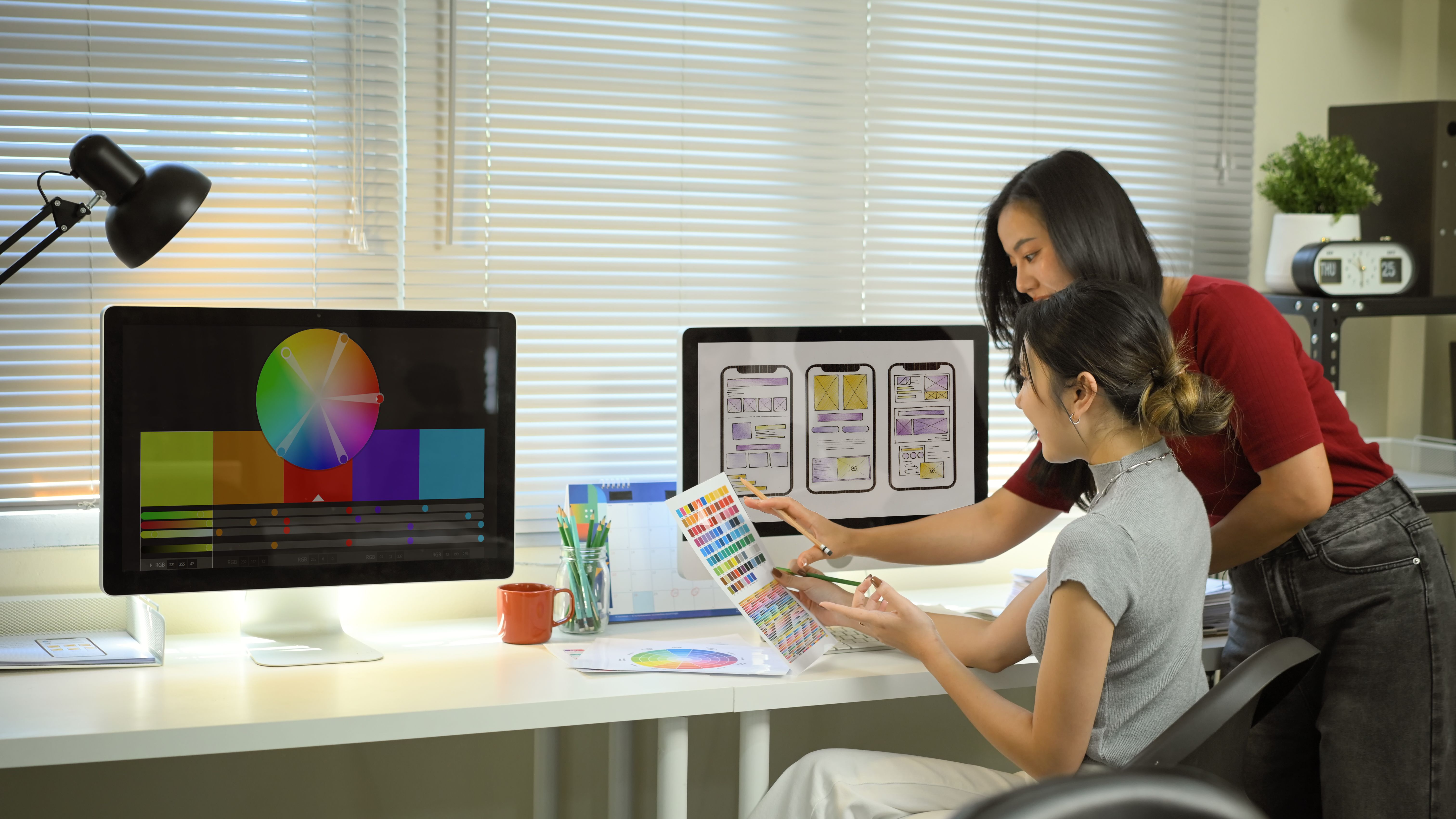
- Low-Fidelity Prototypes: These are basic models, often made with paper or simple digital tools, used to explore ideas and gather initial feedback.
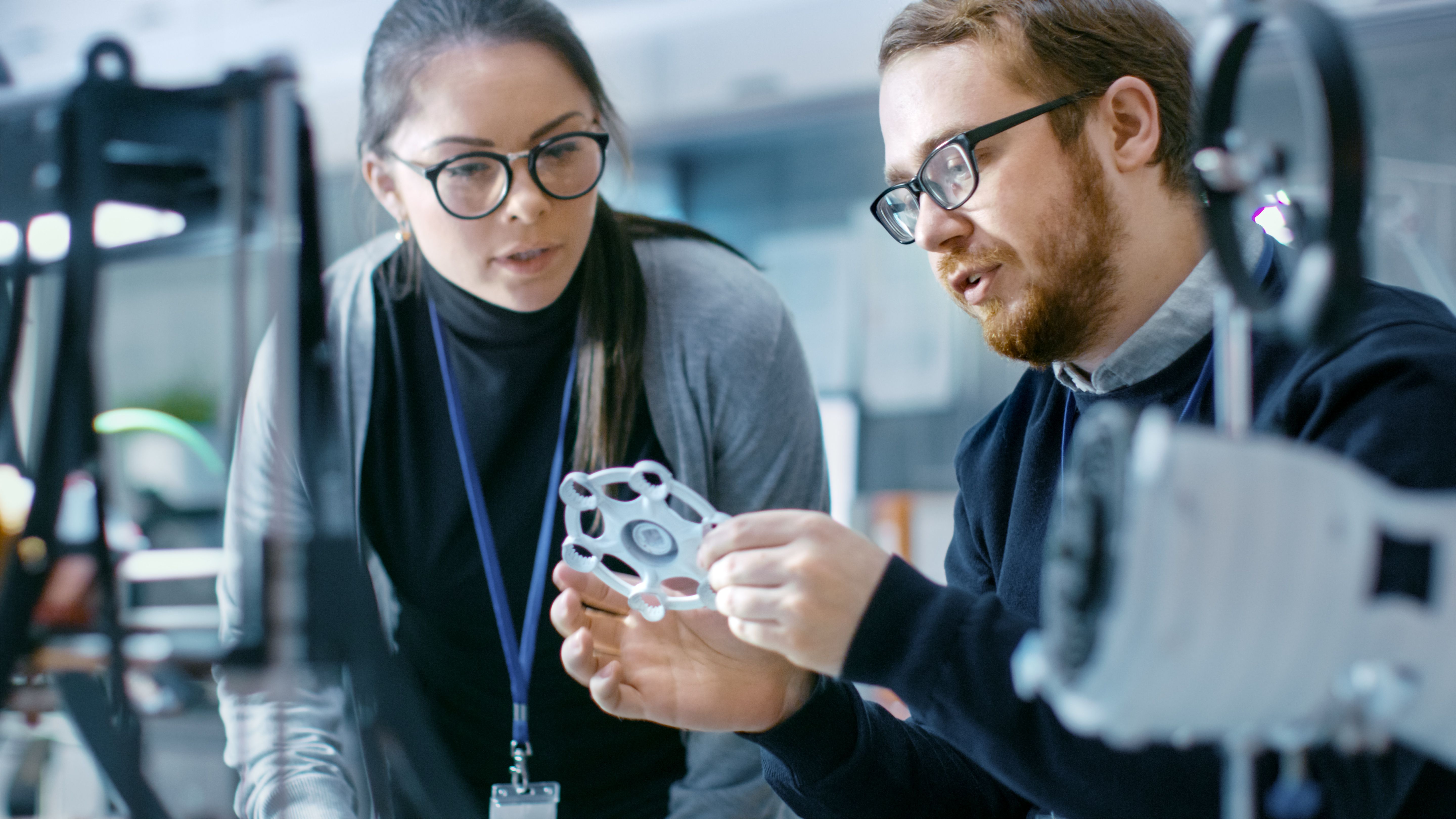
- High-Fidelity Prototypes: These are detailed and interactive models that closely resemble the final product, used for in-depth testing and validation.
Integrating Prototyping into the Design Process
To maximize the effectiveness of prototyping, it should be integrated throughout the design process. This integration allows for continuous improvement and iteration. Here’s how you can incorporate prototyping effectively:
- Start Early: Begin prototyping at the initial stages of design to explore different approaches and gather feedback.
- Iterate Often: Use feedback from prototypes to make informed decisions and refine the design continuously.
- Collaborate: Involve various stakeholders in the prototyping process to ensure diverse perspectives and ideas.
Conclusion
From concept to creation, prototyping plays an indispensable role in product design. It not only helps in visualizing ideas but also in refining them to meet user expectations and business goals. As technology advances, the tools and methods for prototyping continue to evolve, offering designers new ways to innovate and excel.