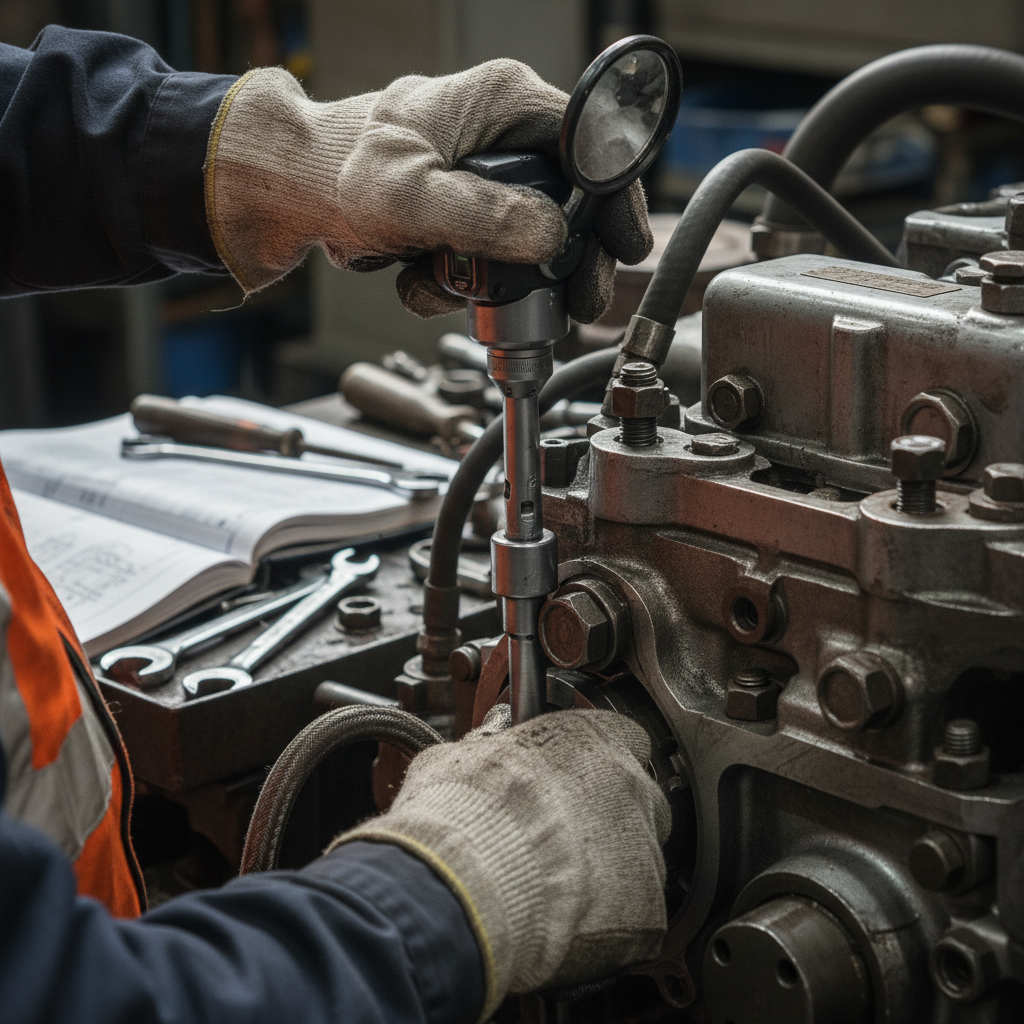
How to Prepare for Seasonal Challenges in Mechanical Design Engineering


Understanding Seasonal Challenges in Mechanical Design
Mechanical design engineering is a dynamic field that often faces unique challenges during different seasons. These challenges can impact the efficiency of design processes and the performance of mechanical systems. Understanding these seasonal variables is crucial for engineers who aim to maintain optimal functionality and reliability in their designs.
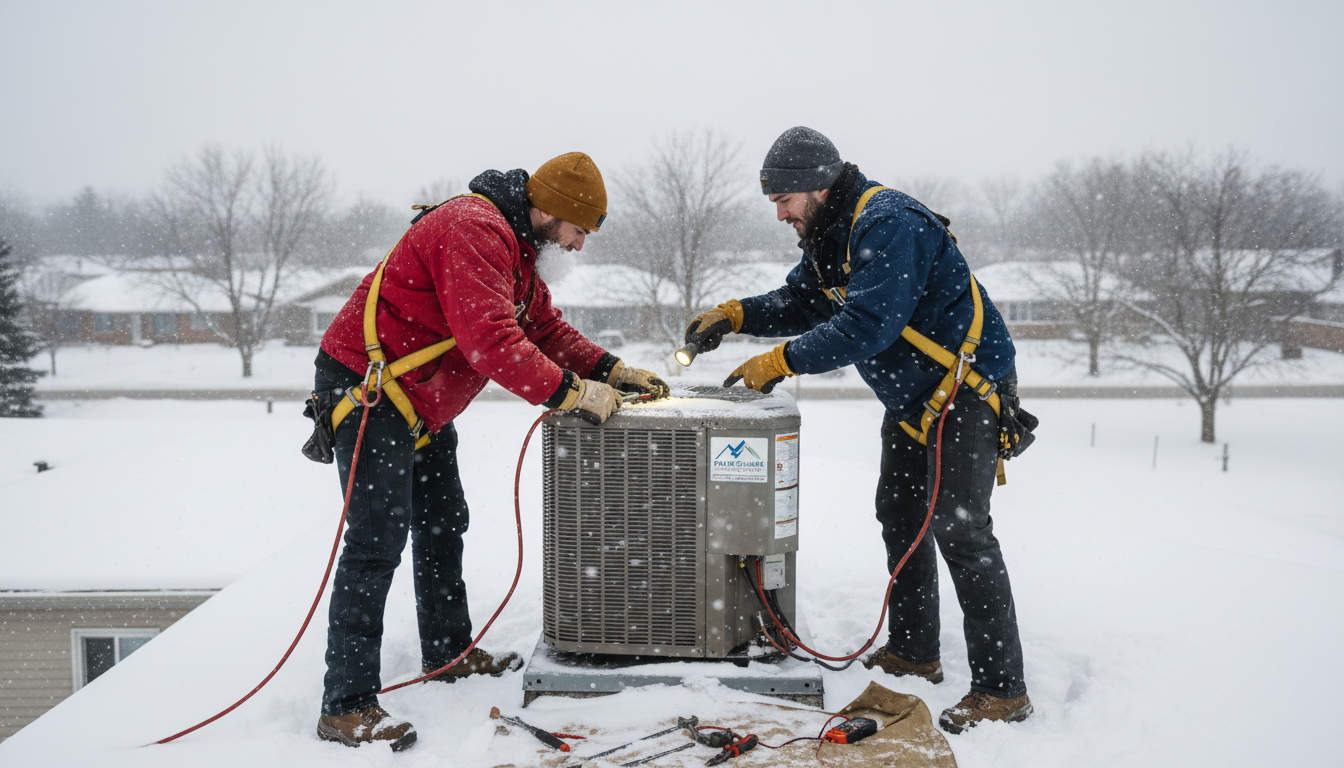
For instance, temperature fluctuations can affect material properties, while environmental conditions like humidity or precipitation may influence the choice of materials and design specifications. Being aware of these factors allows engineers to create more robust designs that withstand seasonal changes effectively.
Material Selection for Seasonal Variability
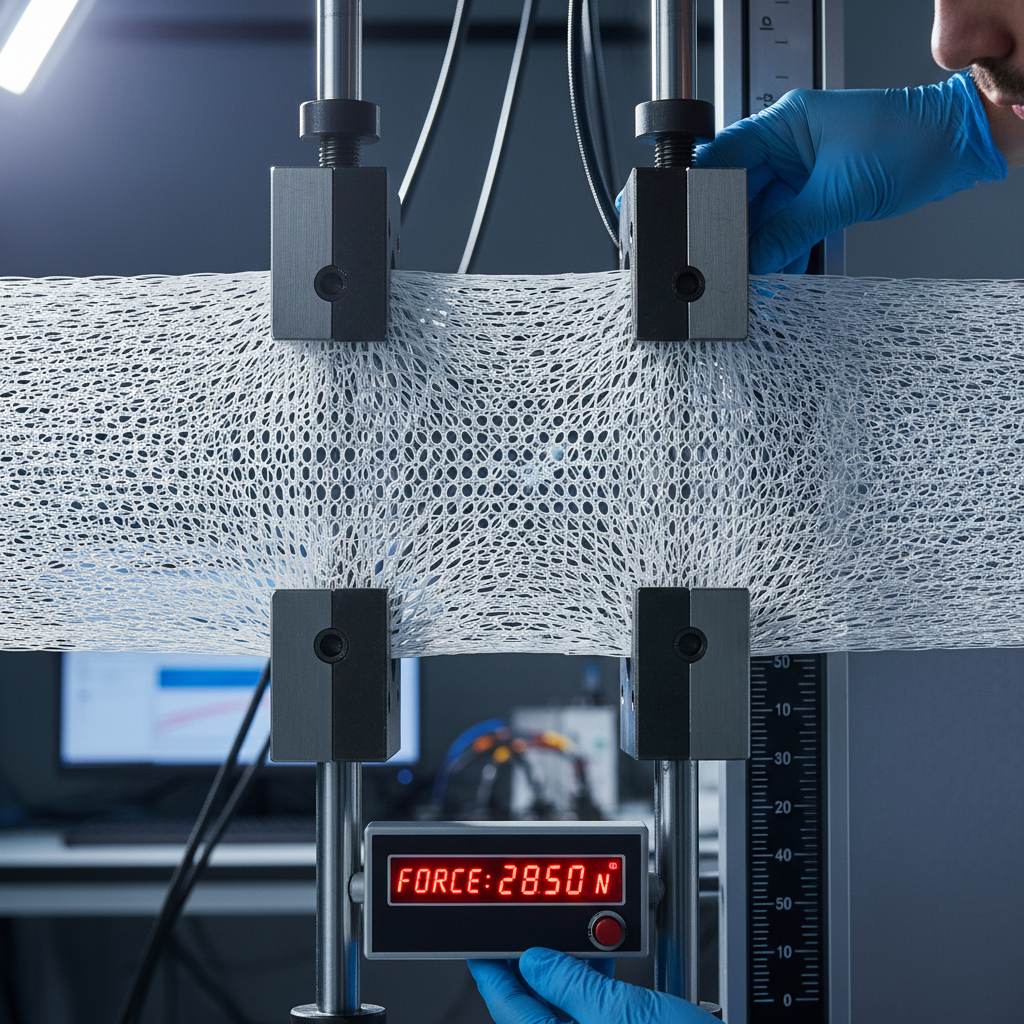
One of the key considerations in mechanical design during seasonal changes is material selection. Materials can expand or contract with temperature changes, affecting the performance of mechanical components. Selecting the right materials that can endure these shifts is vital.
Engineers often rely on materials with low thermal expansion coefficients for projects exposed to extreme temperature variations. Additionally, for environments with high humidity or precipitation, corrosion-resistant materials are preferred to prevent degradation over time.
Evaluating Material Properties
Before finalizing material choices, engineers must evaluate the properties such as thermal conductivity, elasticity, and tensile strength. Conducting thorough tests and simulations helps in predicting how materials will behave under different seasonal conditions, ensuring that the final design remains functional and reliable.
Design Adaptations for Seasonal Conditions
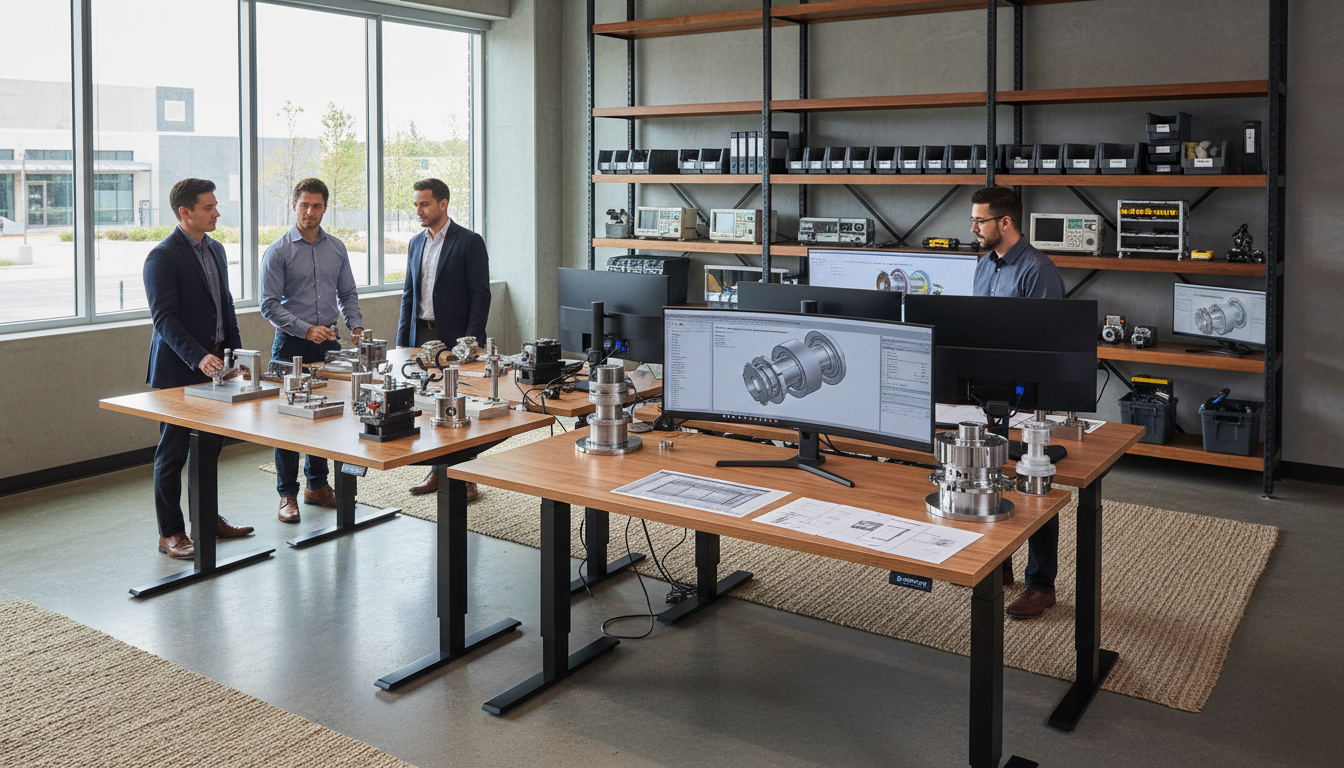
Beyond material selection, adapting designs to accommodate seasonal changes is essential. This could involve incorporating features like thermal expansion joints to allow for movement without causing structural damage.
For systems exposed to temperature extremes, engineers might also consider insulation techniques to maintain stable internal conditions. These adaptations not only enhance performance but also extend the lifespan of mechanical systems.
Incorporating Flexibility
Engineers should aim to integrate flexibility into their designs. This can be achieved by using adjustable components or modular systems that can be easily modified to suit different seasonal requirements. By doing so, they can ensure that the systems remain efficient and adaptable to changing conditions.
Maintenance Strategies for Seasonal Changes
Regular maintenance is crucial to address the wear and tear that occurs due to seasonal changes. Implementing a proactive maintenance strategy can help in identifying potential issues before they become critical problems.
Maintenance schedules should be adjusted according to seasonal demands, focusing on critical components that are most susceptible to environmental changes. This approach not only enhances system reliability but also reduces downtime and repair costs.
Training and Awareness
Ensuring that the engineering team is well-trained and aware of the seasonal challenges is essential. Regular workshops or training sessions can keep the team updated on best practices and innovative solutions to tackle these challenges. Investing in education ensures that engineers are prepared to handle any seasonal design issues effectively.
By understanding and preparing for seasonal challenges in mechanical design engineering, professionals can deliver solutions that are both innovative and resilient. This proactive approach not only enhances the quality of the designs but also contributes to overall project success.