Innovative Trends in Mechanical Design Engineering


Embracing Digital Transformation
The landscape of mechanical design engineering is undergoing a significant transformation, fueled by innovative digital technologies. Today's engineers leverage advanced software tools to create, test, and refine designs with unprecedented precision. Computer-Aided Design (CAD) has become a cornerstone of the industry, enabling the creation of intricate models that can be easily modified and optimized.
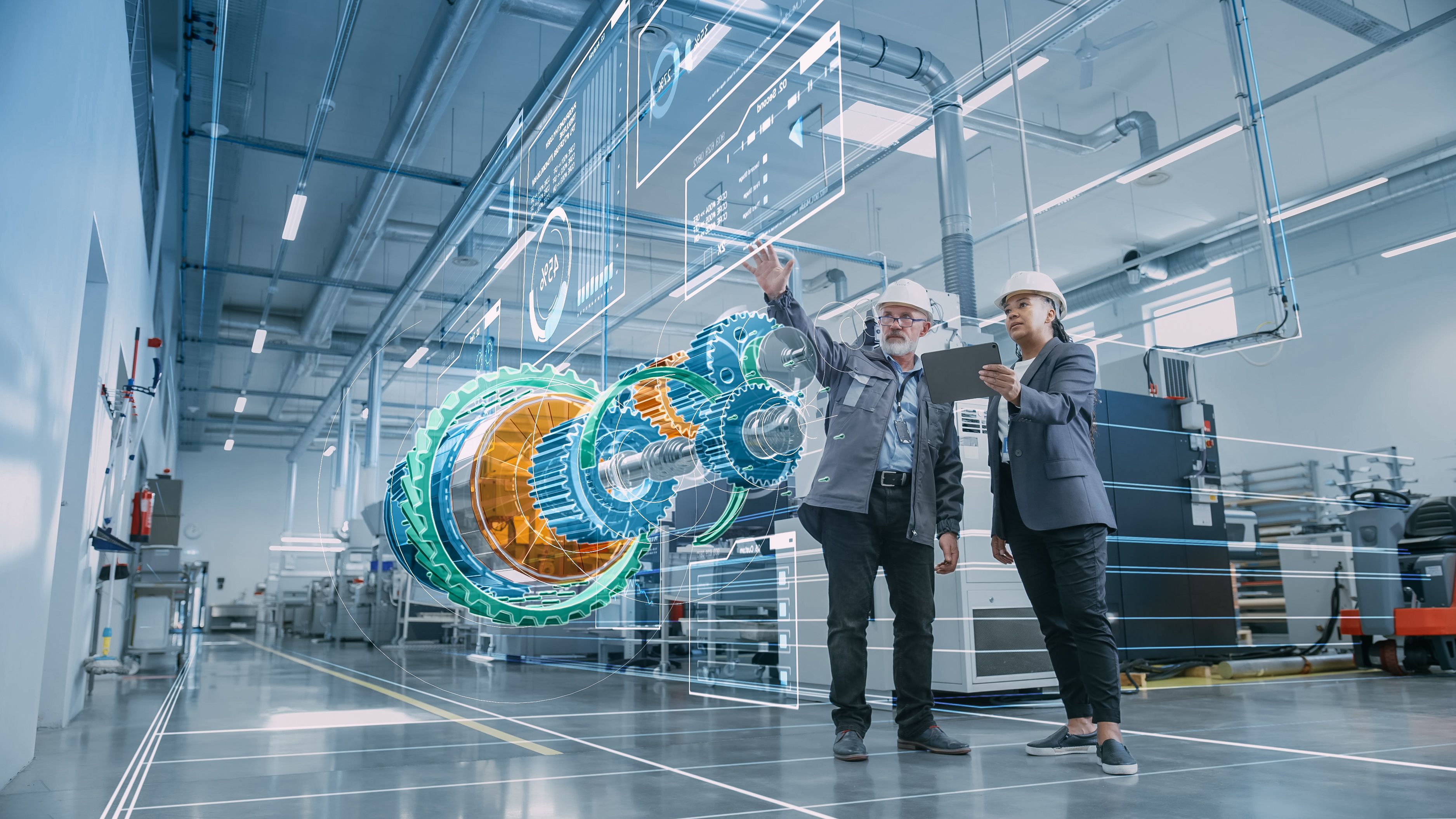
Beyond CAD, emerging technologies like Augmented Reality (AR) and Virtual Reality (VR) are revolutionizing how engineers visualize and interact with their designs. These tools provide immersive experiences that allow for detailed inspection and real-time modifications, enhancing both creativity and efficiency.
Advancements in Materials
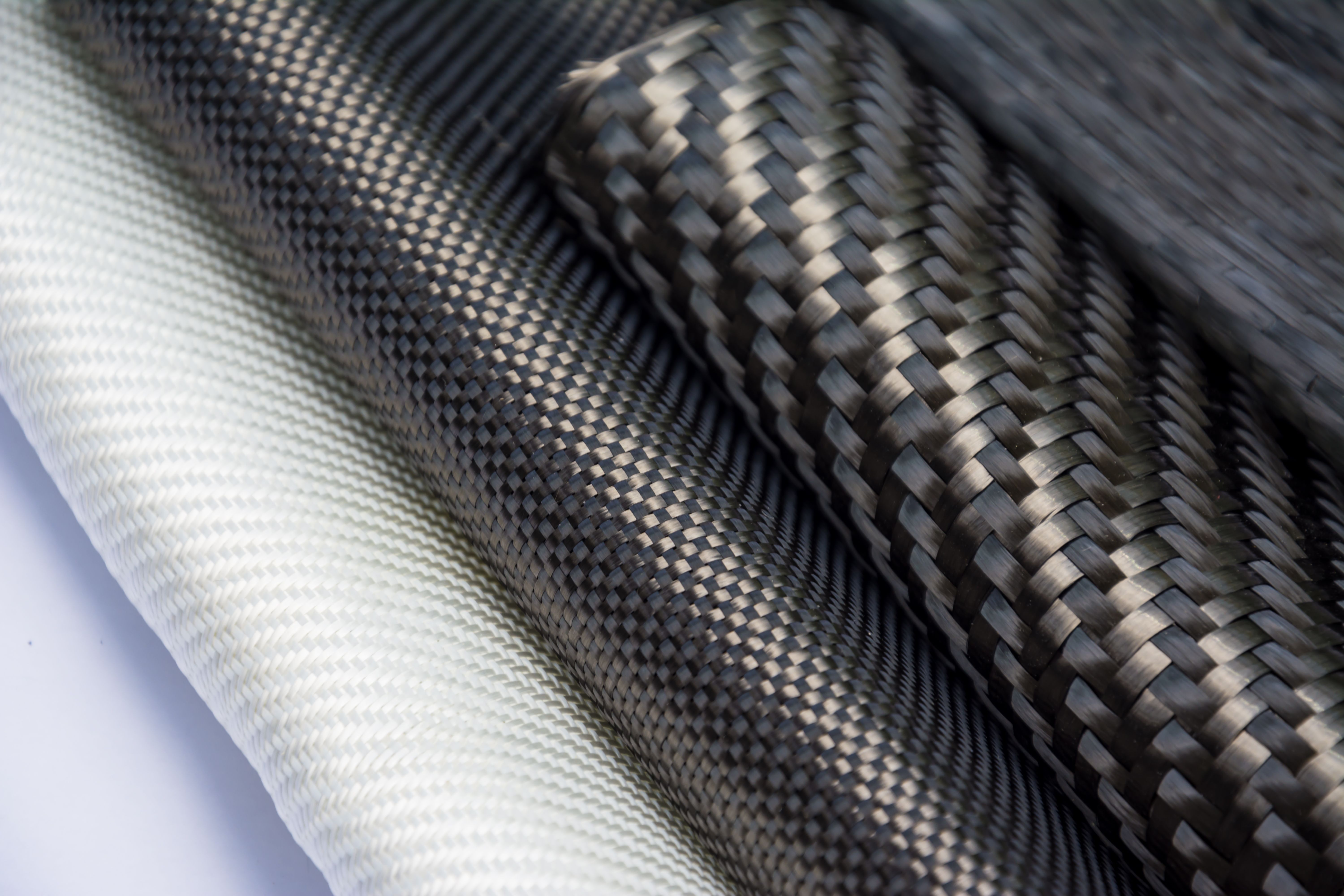
The development of new materials is another critical trend shaping mechanical design engineering. Innovations in materials science have led to the creation of stronger, lighter, and more durable components. Composite materials, for instance, combine different substances to achieve superior properties, making them ideal for a wide range of applications.
Additionally, the growing emphasis on sustainability has spurred the use of biodegradable and recyclable materials. Engineers are now tasked with designing products that not only meet performance criteria but also minimize environmental impact, aligning with global efforts toward eco-friendly engineering practices.
Integration of Artificial Intelligence
Artificial Intelligence (AI) is playing an increasingly vital role in mechanical design. AI-driven algorithms assist engineers by optimizing designs, predicting performance outcomes, and identifying potential flaws before physical prototypes are built. These capabilities significantly reduce development time and costs.
Machine learning models can analyze vast datasets to uncover insights that inform design decisions. This data-driven approach enhances precision and opens new avenues for innovation, enabling engineers to push the boundaries of what's possible.

3D Printing and Rapid Prototyping
3D printing technology has made rapid prototyping more accessible than ever before. Engineers can now create physical prototypes directly from digital models, allowing for quick iteration and testing. This capability enhances the design process by enabling immediate feedback and adjustments.
Moreover, 3D printing supports the creation of complex geometries that traditional manufacturing methods cannot achieve. This flexibility allows for more innovative designs and the exploration of new product functionalities.

Collaborative Design Platforms
The shift towards remote and collaborative work environments has led to the development of advanced design platforms that facilitate teamwork across geographical boundaries. These platforms integrate cloud computing to ensure seamless access to design files and data, enhancing collaboration among engineers.
By promoting real-time communication and file sharing, these tools help teams stay aligned and agile. The ability to work collaboratively on a global scale opens up new opportunities for innovation and drives the development of more sophisticated mechanical systems.