Myth-Busting: Common Misconceptions About Mechanical Design Engineering


Understanding Mechanical Design Engineering
Mechanical design engineering is a field rich with innovation, yet it is often misunderstood. Many people have misconceptions about what mechanical design engineers do and the skills they possess. In this post, we aim to debunk some of these common myths and provide clarity on this essential discipline.
Myth 1: Mechanical Design Engineering Is All About Machines
One of the most prevalent myths is that mechanical design engineering is solely focused on machines. While machines are a significant part of the field, the scope is much broader. Mechanical design engineers work on a variety of projects that include thermal systems, energy management, and even product design. Their work is essential in industries ranging from automotive to aerospace and beyond.
Engineers also contribute to sustainable practices by designing systems that reduce energy consumption and minimize environmental impact. Their expertise is not confined to machinery but extends to various applications that improve our daily lives.
Myth 2: It's Just About Drafting and CAD
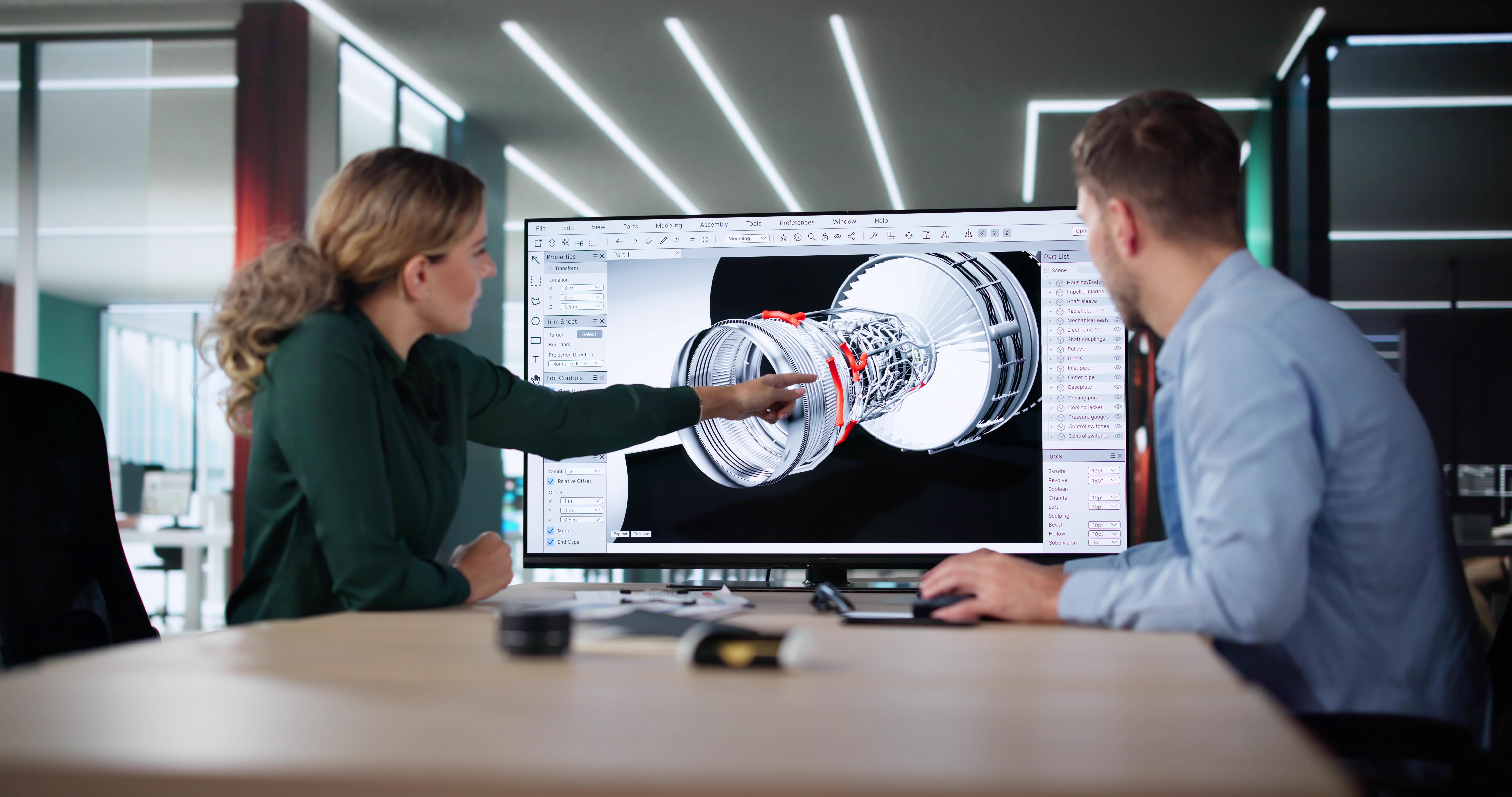
Another common misconception is that mechanical design engineers spend all their time drafting and using CAD software. While computer-aided design is a crucial tool, it's only a part of what they do. Engineers must also engage in problem-solving, innovation, and collaboration with multidisciplinary teams to bring projects to fruition.
They often work on simulations, testing, and modifications to ensure that designs meet safety and efficiency standards. Their role is dynamic and demands a creative approach to engineering challenges.
Myth 3: Mechanical Design Engineering Is a Solo Endeavor
Some people think mechanical design engineering is a solitary profession. In reality, it is highly collaborative. Engineers regularly work with other professionals, such as electrical engineers, software developers, and project managers, to create comprehensive solutions. This collaboration is crucial to the success of complex projects.
The ability to work well in teams and communicate effectively is as important as technical skills. Engineers must bridge gaps between different disciplines to achieve common goals.

Myth 4: It's All About Technical Skills
While technical skills are fundamental, soft skills are equally important in mechanical design engineering. Engineers must possess strong analytical abilities, but they also need creativity, adaptability, and effective communication skills. These attributes help them navigate challenges and drive innovation.
Furthermore, the ability to manage projects, work under pressure, and make informed decisions is vital. Mechanical design engineers are often leaders in their field, guiding teams and influencing project outcomes.
Conclusion: Embracing the Reality of Mechanical Design Engineering
Mechanical design engineering is a multifaceted field that goes beyond common stereotypes. It requires a diverse set of skills and a collaborative mindset. By understanding the realities of the profession, we can appreciate the critical role these engineers play in shaping our world.