Smart Technology Integration: Transforming Traditional Product Design


The Evolution of Product Design
In recent years, the integration of smart technology has revolutionized traditional product design. This evolution is not just about adding digital features but transforming the entire design process to create products that are more intuitive, efficient, and user-friendly. From household appliances to industrial machinery, smart technology is reshaping how products are conceived and used.
Smart technology enables designers to incorporate features such as connectivity, automation, and real-time data processing, which were previously unimaginable. This shift enhances the user experience by providing solutions that are tailored to individual needs and preferences.
Smart Features in Everyday Products
Connectivity and Automation
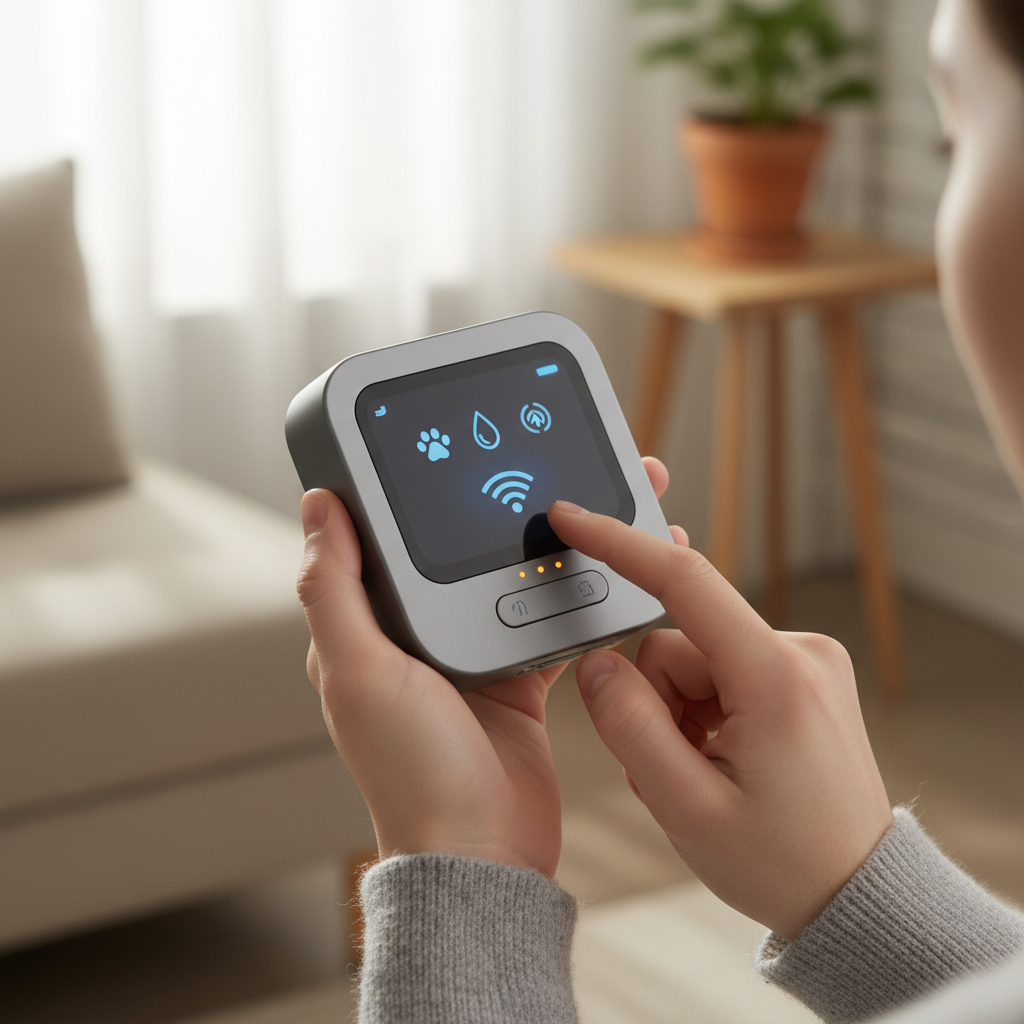
The integration of the Internet of Things (IoT) has allowed everyday products to become more connected and automated. For example, smart thermostats can now learn a homeowner's schedule and adjust temperatures accordingly, providing both comfort and energy savings. Automation is no longer a luxury but a standard expectation in many products.
Furthermore, the ability to control devices remotely through smartphones or voice commands adds an extra layer of convenience. This connectivity ensures that products are not only more accessible but also more responsive to user needs.
Data-Driven Design
Real-Time Feedback
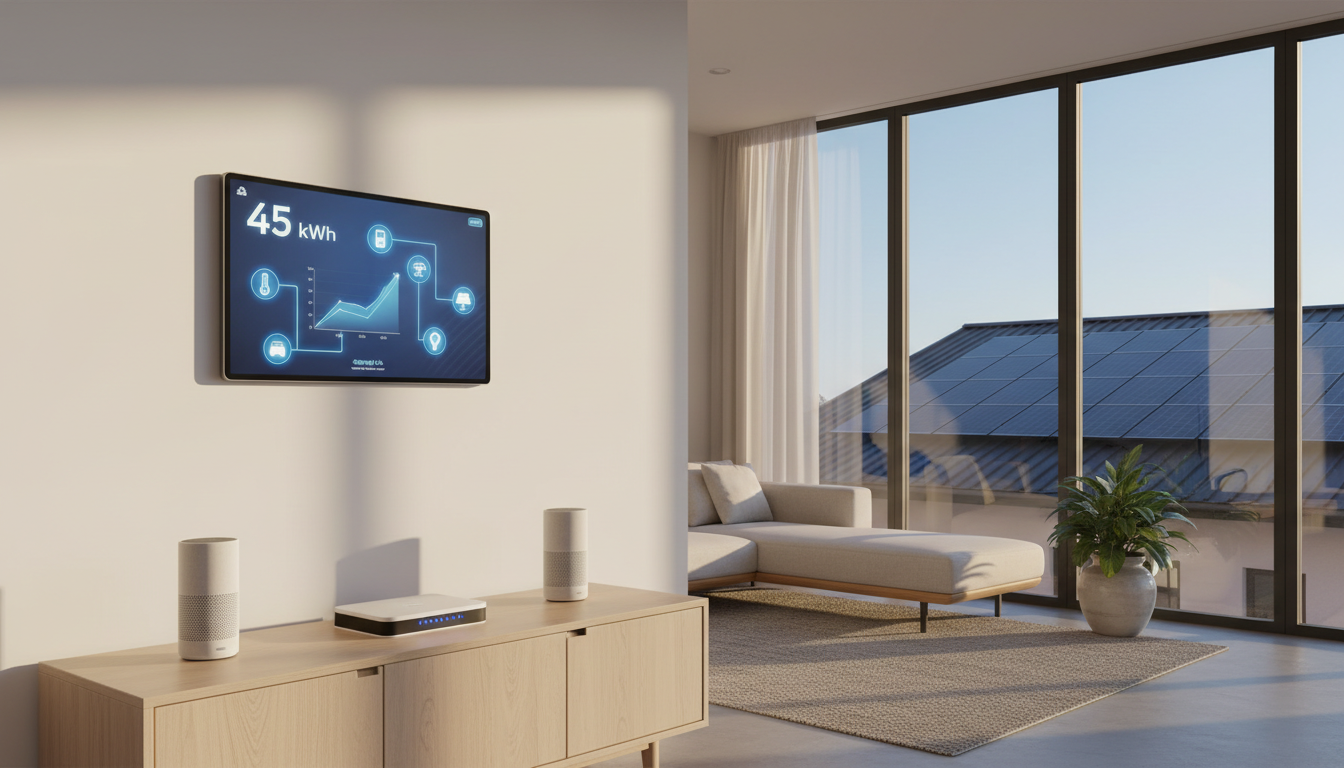
One of the significant advantages of smart technology integration is the ability to collect and analyze data in real time. This feedback loop allows designers to understand how products are used and identify areas for improvement. By analyzing user interactions, companies can make data-driven decisions to enhance product functionality and usability.
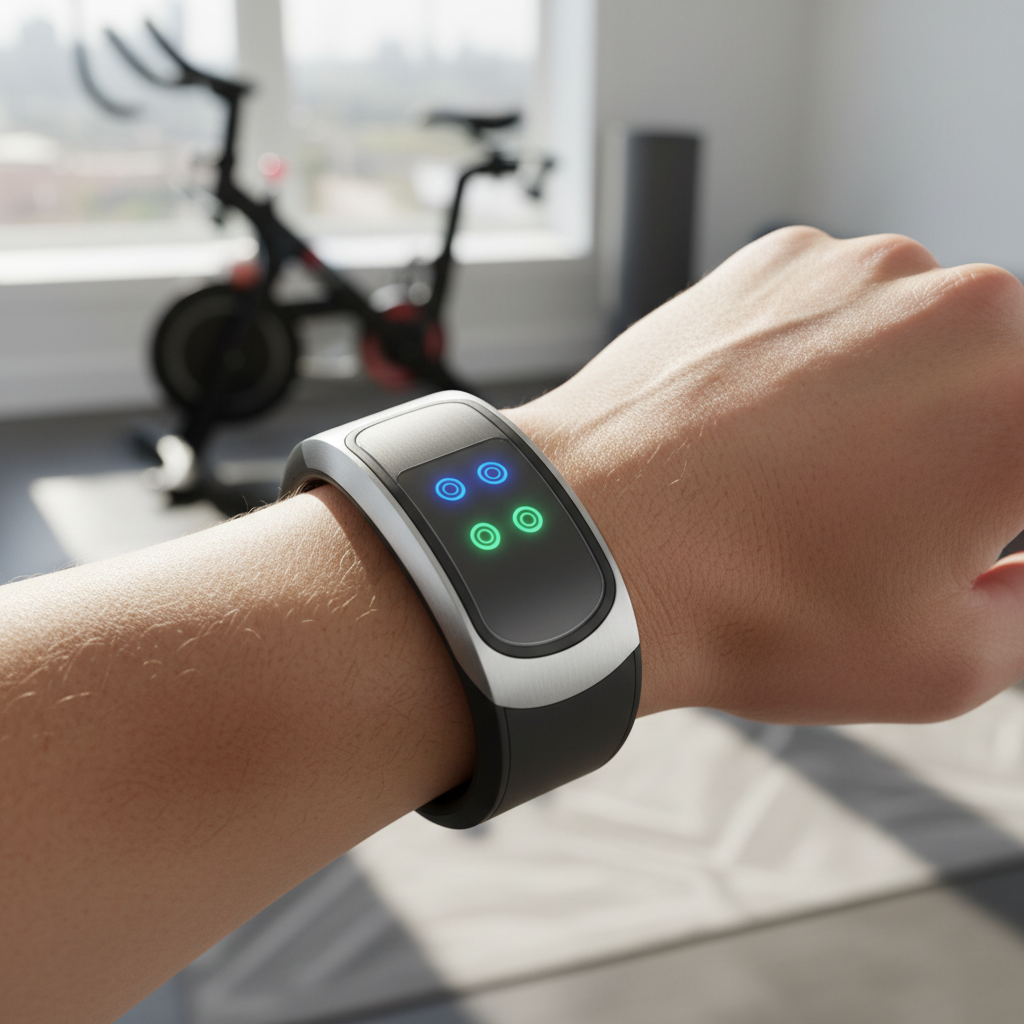
For instance, wearable fitness devices track a user's activity levels and provide insights into their health and fitness. This real-time feedback not only motivates users to achieve their goals but also guides product development to better meet user expectations.
Challenges and Opportunities
Balancing Complexity and Usability
While the integration of smart technology offers numerous benefits, it also presents challenges. One of the main hurdles is balancing the complexity of smart features with user-friendly design. Designers must ensure that products remain intuitive and accessible, even as they become more technologically advanced.
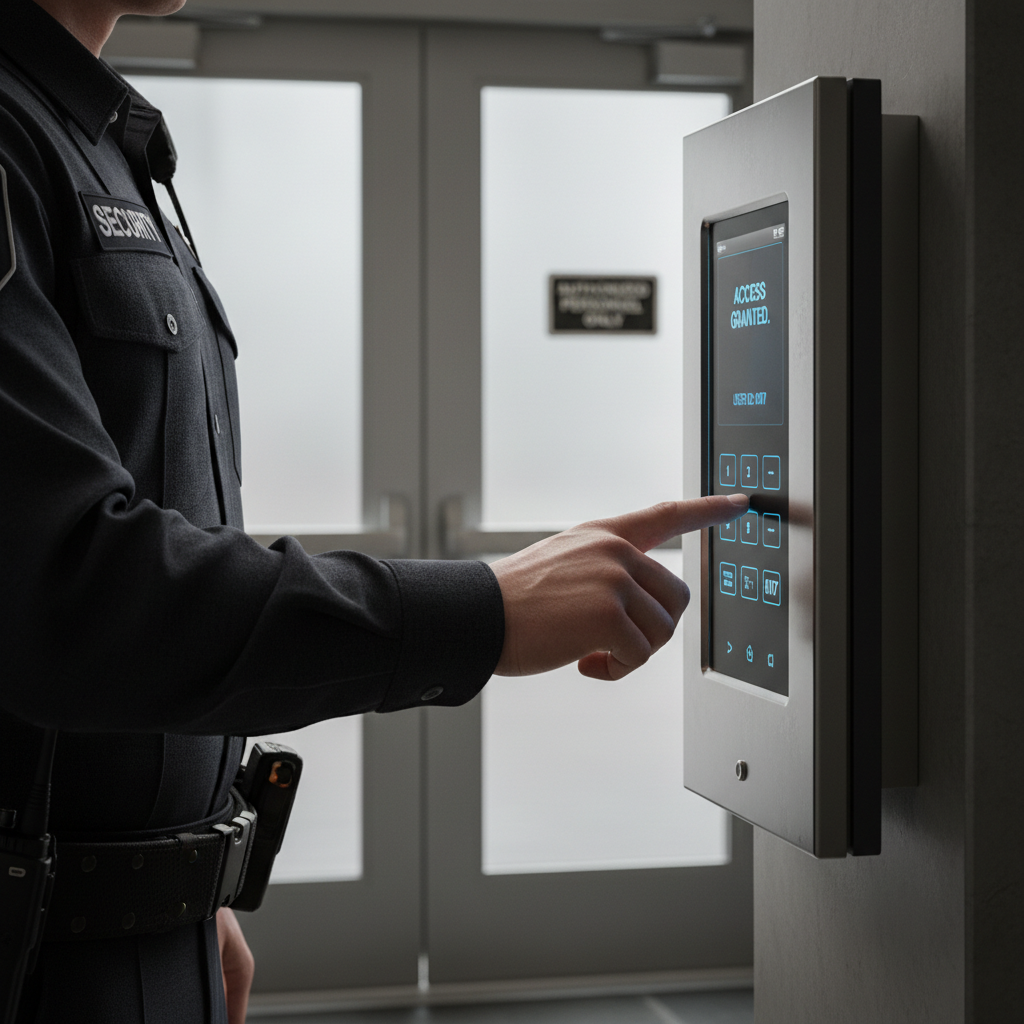
Additionally, concerns about privacy and data security must be addressed. As products become more connected, safeguarding user information becomes paramount. Companies must prioritize secure data handling to build trust with consumers.
The Future of Smart Product Design
The future of product design lies in further integrating smart technology to create adaptive and personalized experiences. As technology continues to evolve, we can expect products to become even more intelligent and responsive. The focus will be on creating seamless interactions that enhance everyday life.
In conclusion, smart technology integration is transforming traditional product design by introducing features that improve functionality, efficiency, and user satisfaction. By embracing these advancements, companies can stay ahead of the curve and deliver products that meet the ever-changing demands of modern consumers.