Smart Technology Integration: Transforming Traditional Product Design


In today's rapidly evolving world, integrating smart technology into traditional product design is no longer a luxury but a necessity. This transformation is reshaping industries, offering unprecedented opportunities for innovation and efficiency. By leveraging smart technology, businesses can create products that not only meet consumer demands but also anticipate future needs.
Understanding Smart Technology Integration
Smart technology integration involves embedding intelligent systems into products to enhance their functionality and user experience. These systems often include sensors, connectivity modules, and data processing units that work together to make products more responsive and adaptive. This level of integration can lead to products that learn from user interactions, adjusting their features to better serve individual preferences.
The integration process typically involves collaboration between design engineers, software developers, and industry experts. This multidisciplinary approach ensures that the final product is both technologically advanced and user-friendly.
Benefits of Smart Technology in Product Design
One of the primary benefits of incorporating smart technology is increased efficiency. Products become capable of performing tasks autonomously, reducing the need for constant human intervention. Furthermore, they can gather and analyze data in real-time, providing valuable insights into usage patterns and potential areas for improvement.
Another significant advantage is enhanced customer satisfaction. Smart products offer personalized experiences, adapting to individual user preferences and behaviors. This personalization can lead to increased loyalty and a stronger connection between the brand and its customers.
Challenges in Smart Technology Integration
Despite its benefits, integrating smart technology into product design is not without challenges. One major hurdle is ensuring compatibility between different systems and components. Designers must carefully select and integrate technologies that work seamlessly together, which often requires thorough testing and refinement.
Security is another critical concern. As products become more connected, they are also more vulnerable to cyber threats. Protecting user data and ensuring privacy are paramount, requiring robust security measures and protocols.

Examples of Successful Integration
Several industries have already successfully integrated smart technology into their products. For instance, the automotive industry has embraced smart features like adaptive cruise control and self-parking. These innovations not only enhance safety but also provide a more enjoyable driving experience.
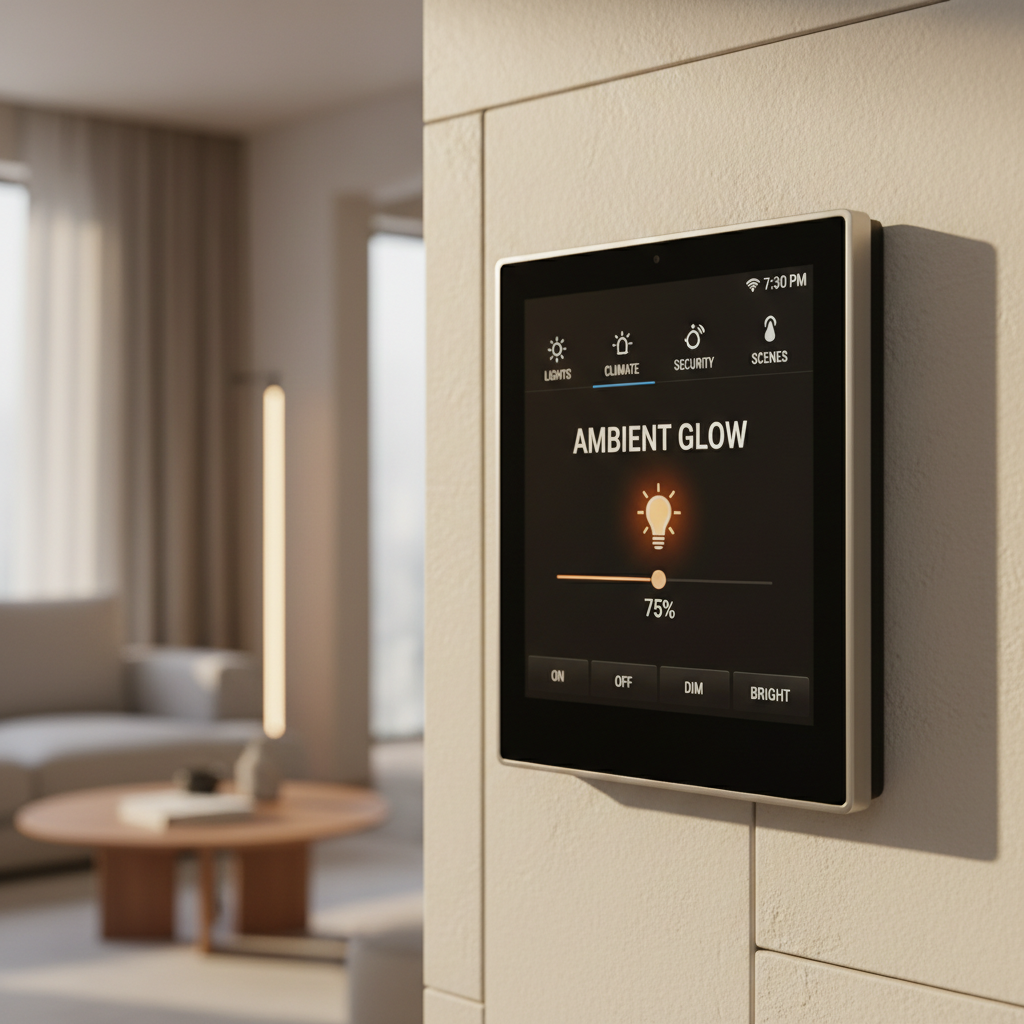
- Smart home devices, such as thermostats and lighting systems, offer convenience and energy efficiency.
- Wearable technology, like fitness trackers, provides users with real-time health data and personalized feedback.
The Future of Product Design
As technology continues to advance, the potential for smart technology integration in product design will only grow. Designers will have the opportunity to create even more sophisticated products that push the boundaries of what is possible. This evolution will likely lead to new business models, where companies offer not just products but holistic solutions that integrate seamlessly into everyday life.
The journey to smarter products is an exciting one, full of possibilities for innovation and growth. By embracing this shift, businesses can stay ahead of the curve, delivering products that delight and inspire their customers.