The Future of CAD Drafting Services: Innovations and Trends


The Rise of Automation in CAD Drafting
The future of CAD drafting services is being significantly shaped by automation. With the integration of AI-driven tools, drafting processes are becoming faster and more efficient. These tools can automatically generate complex designs, reducing the time and effort required by human drafters. This shift not only enhances productivity but also minimizes human errors, ensuring higher accuracy in designs.
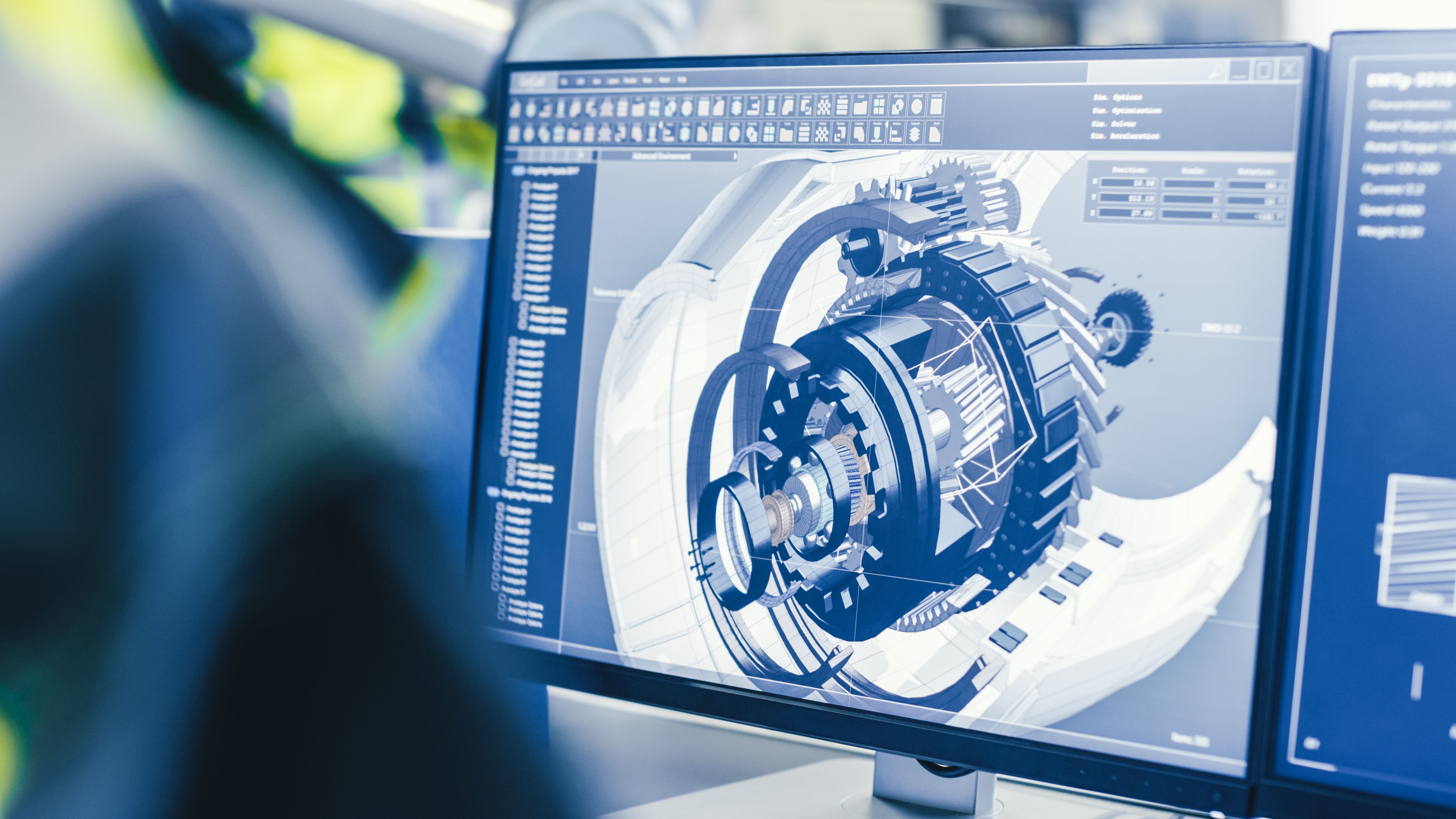
One of the major advancements is the use of parametric modeling, which allows designers to input specific parameters and let the software create various iterations of the design. This approach is particularly beneficial in industries like architecture and engineering, where precision is paramount.
Cloud-Based Collaboration
Cloud technology is transforming how CAD drafting services operate. By leveraging cloud-based platforms, teams can collaborate in real-time, regardless of their physical location. This is crucial for large projects that require input from multiple stakeholders across different regions.
Cloud solutions also offer the advantage of scalability, allowing businesses to adjust resources according to project needs. Additionally, these platforms ensure that data is securely stored and easily accessible, facilitating smoother workflow and communication.

Enhanced Security Measures
With the rise of cyber threats, security in cloud-based CAD services has become a priority. Advanced encryption techniques and multi-factor authentication are being implemented to protect sensitive design data. These measures ensure that only authorized personnel have access to critical project information.
Virtual Reality and Augmented Reality Integration
Virtual Reality (VR) and Augmented Reality (AR) are revolutionizing the way designers visualize and interact with their projects. By integrating VR and AR into CAD systems, designers can immerse themselves in a virtual environment to better understand the scale and feel of their designs.
This immersive experience allows for more intuitive design modifications and helps clients visualize the final product more clearly. As these technologies become more accessible, we can expect them to play a larger role in CAD drafting services.

Improving Client Engagement
AR and VR tools not only benefit designers but also enhance client engagement. Clients can virtually walk through a building or examine a product from different angles, leading to more informed decision-making and greater satisfaction with the final result.
Artificial Intelligence and Machine Learning
Artificial Intelligence (AI) and Machine Learning (ML) are making significant inroads into CAD drafting. These technologies enable the software to learn from past projects and improve design suggestions. AI-driven algorithms can predict design flaws and recommend optimizations, streamlining the drafting process.
Additionally, AI tools can automate repetitive tasks, allowing designers to focus on more creative aspects of their work. As AI continues to evolve, its impact on CAD drafting services is expected to grow, offering even more sophisticated solutions.

The Future is Bright for CAD Drafting Services
The future of CAD drafting services is promising, with ongoing innovations and trends poised to redefine the industry. From automation and cloud collaboration to VR and AI, these advancements are paving the way for more efficient and creative design processes.
As businesses continue to adopt these technologies, they will not only enhance their design capabilities but also gain a competitive edge in the market. Embracing these changes is essential for staying ahead in the ever-evolving field of CAD drafting.