The Future of Mechanical Design Engineering: Trends to Watch


Introduction to Mechanical Design Engineering
The field of mechanical design engineering is evolving rapidly, driven by technological advancements and innovative approaches. As we navigate through 2023, understanding the emerging trends in this sector is crucial for professionals aiming to stay competitive and innovative. This post explores some key trends shaping the future of mechanical design engineering.
Integration of Artificial Intelligence
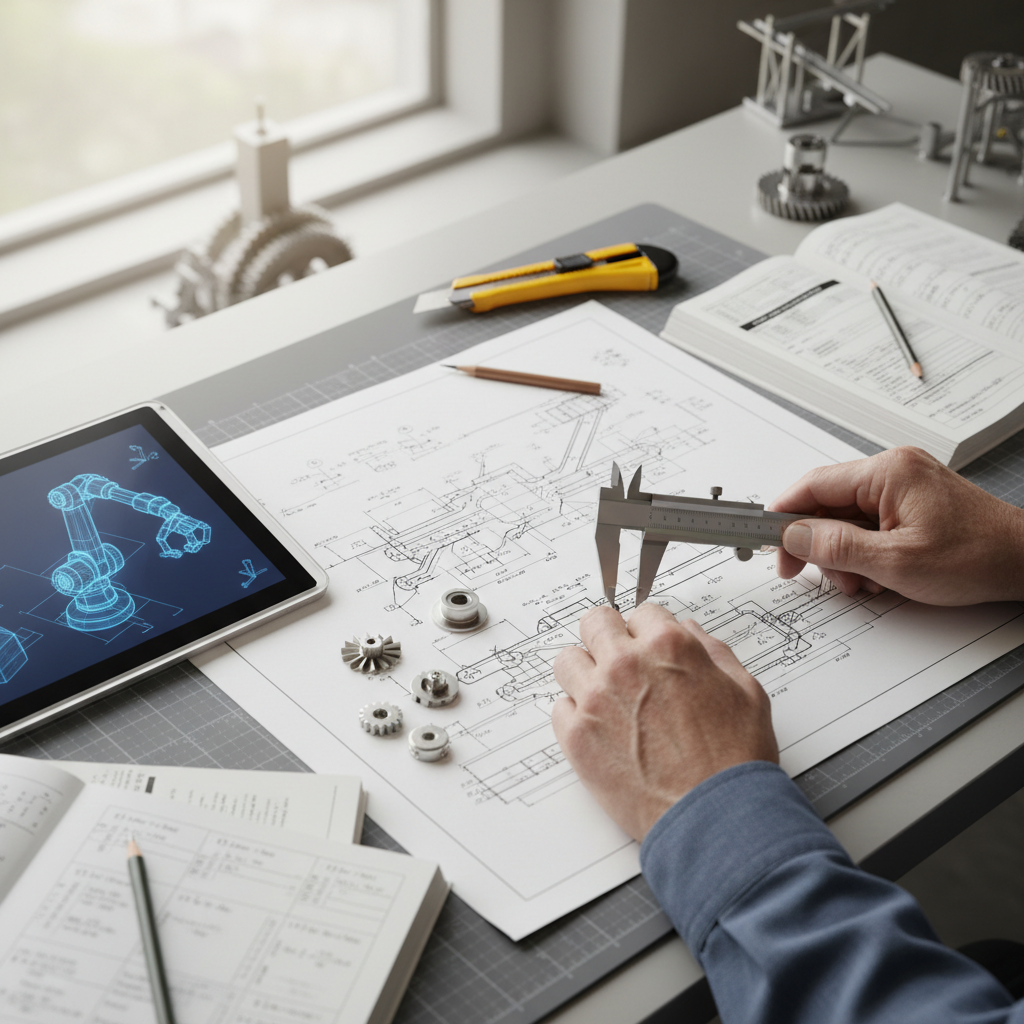
Artificial Intelligence (AI) is revolutionizing mechanical design by enhancing the way engineers approach problem-solving. AI-driven design tools are enabling more efficient simulations and optimizations, reducing the time and resources needed for prototyping.
Engineers are now able to leverage AI to predict potential design failures and identify optimal configurations, resulting in more robust and reliable products. This integration is expected to continue growing, making AI an essential component of mechanical design engineering.
Sustainable Design Practices
With a heightened focus on sustainability, mechanical design engineers are increasingly adopting eco-friendly practices. The use of recyclable materials and energy-efficient processes is becoming standard in the industry.
Sustainable design not only meets regulatory requirements but also aligns with consumer demand for environmentally responsible products. As a result, engineers are focusing on designing products that minimize environmental impact throughout their lifecycle.

3D Printing and Additive Manufacturing
3D printing, also known as additive manufacturing, is transforming how products are designed and manufactured. This technology allows for complex geometries and customized designs that were previously impossible or cost-prohibitive with traditional methods.
By reducing material waste and enabling rapid prototyping, 3D printing is becoming a key tool in the mechanical design engineer's toolkit. As the technology matures, its applications are expected to expand even further.
Internet of Things (IoT) Integration
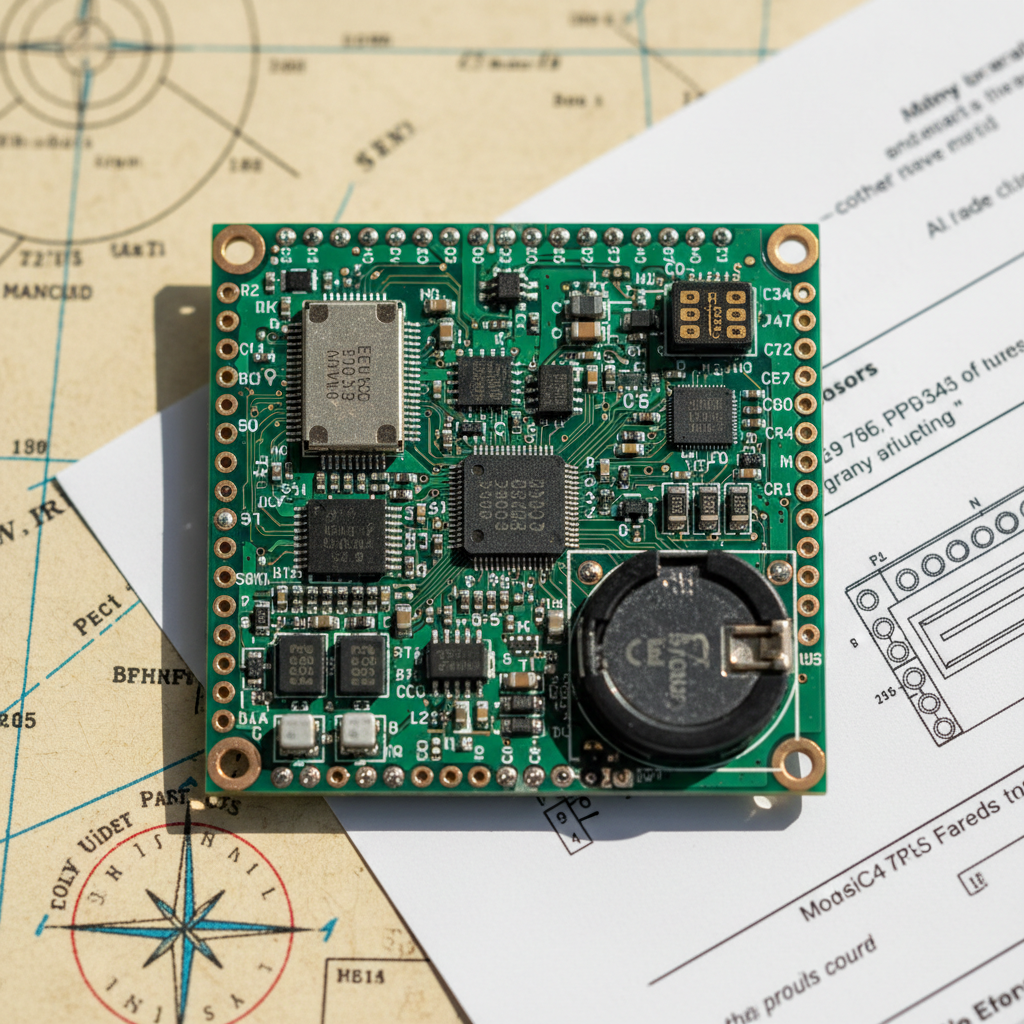
The Internet of Things (IoT) is influencing mechanical design by enabling smart and connected products. IoT devices can provide real-time data and feedback, allowing engineers to improve product performance and maintenance.
This connectivity is leading to the development of more intelligent systems, where products can communicate with each other and adapt to user needs. The integration of IoT in mechanical design is set to create new opportunities and challenges for engineers.
Collaborative Design Platforms
Collaboration is becoming increasingly important in mechanical design engineering. Cloud-based platforms are facilitating teamwork by allowing engineers to work together seamlessly, regardless of their physical location.
These platforms support real-time collaboration, version control, and data sharing, making it easier for teams to innovate and bring products to market faster. This trend highlights the importance of digital transformation in the industry.
Conclusion
The future of mechanical design engineering is dynamic and full of potential. By keeping abreast of these trends, engineers can position themselves at the forefront of innovation. Whether through AI, sustainable practices, or IoT integration, the opportunities for growth and development in this field are immense.