The Role of 3D CAD Modeling in Modern Mechanical Design Engineering


The Evolution of Mechanical Design Engineering
In recent years, the field of mechanical design engineering has undergone a transformative shift, largely driven by advancements in technology. One of the most significant developments has been the adoption of 3D CAD modeling. This powerful tool has revolutionized how engineers conceptualize, develop, and refine their designs, paving the way for more innovative and efficient engineering solutions.
3D CAD modeling offers numerous advantages that have made it an indispensable part of modern engineering. From enhanced visualization to improved accuracy, the benefits are both profound and wide-ranging. As a result, it has become a cornerstone in the toolkit of engineers worldwide.
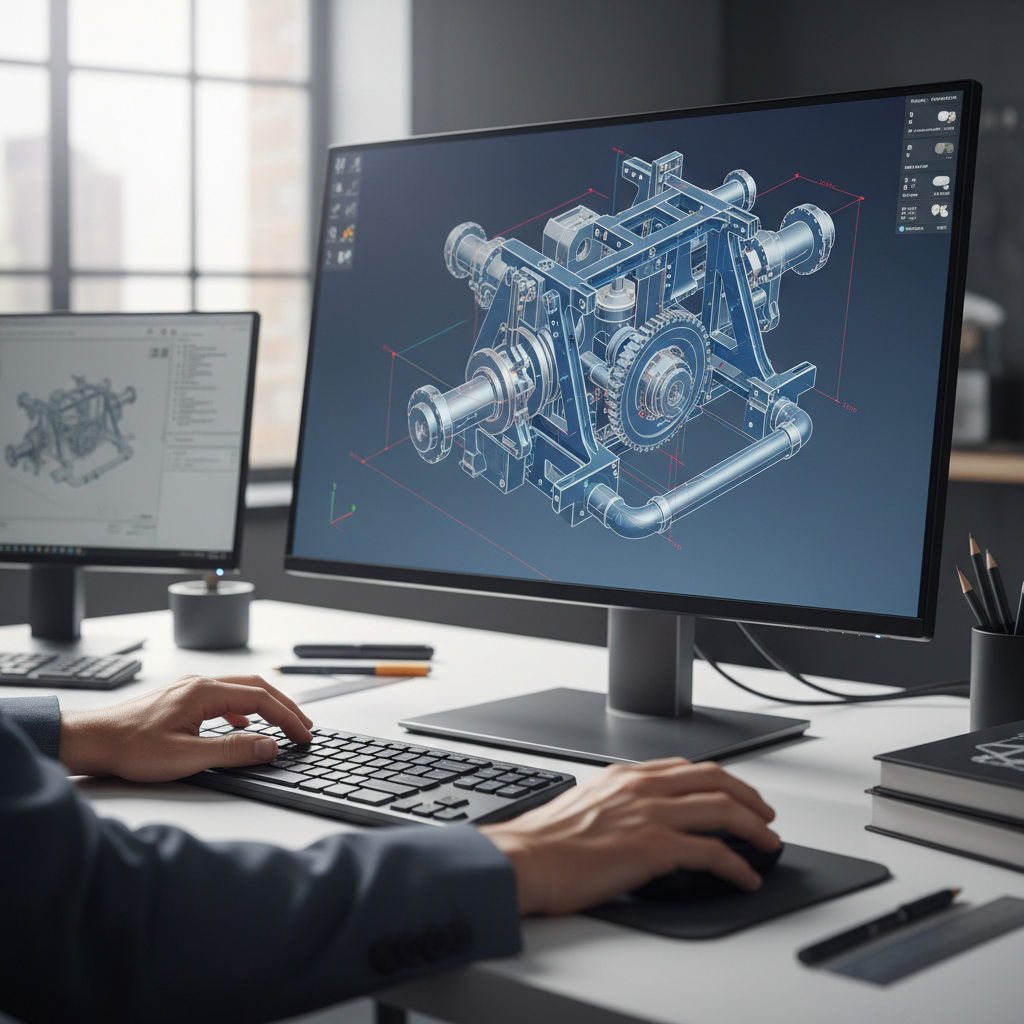
Enhanced Visualization and Communication
One of the primary roles of 3D CAD modeling in mechanical design is its ability to provide enhanced visualization. Engineers can create detailed and accurate representations of their designs, allowing them to see exactly how parts will fit and function together. This level of detail aids in identifying potential issues early in the design process, saving both time and resources.
Moreover, 3D models facilitate better communication among team members and stakeholders. Visual representations are often more effective than traditional 2D drawings when explaining complex concepts. This improved communication can lead to more informed decision-making and a smoother design process overall.

Improved Accuracy and Precision
Accuracy is crucial in mechanical design engineering, and 3D CAD modeling significantly enhances this aspect. With precise measurements and detailed schematics, engineers can ensure that their designs meet all necessary specifications. This precision reduces the likelihood of errors and minimizes the need for costly modifications later in the development process.
Additionally, 3D CAD modeling allows for the simulation of real-world conditions. Engineers can test their designs under various scenarios to determine how they will perform. This capability not only improves the quality of the final product but also enhances safety and reliability.
Streamlined Workflow and Collaboration
The integration of 3D CAD modeling into the engineering workflow streamlines collaboration among teams. Engineers, designers, and manufacturers can work on the same model simultaneously, ensuring that everyone is aligned and informed. This collaborative environment fosters innovation and accelerates the development process.

Moreover, 3D CAD models can be easily shared and modified, allowing for seamless updates and revisions. This flexibility is key in today's fast-paced engineering landscape, where adaptability and responsiveness are essential.
Cost Efficiency and Sustainability
3D CAD modeling also contributes to cost efficiency in mechanical design engineering. By identifying potential issues early and allowing for virtual testing, companies can reduce the need for physical prototypes and subsequent revisions. This reduction in material waste and labor costs is not only economically beneficial but also environmentally sustainable.
Furthermore, the use of 3D CAD modeling supports sustainable design practices. Engineers can optimize designs to minimize material usage and energy consumption, aligning with the growing emphasis on sustainability in engineering.
- Reduced material waste
- Lower energy consumption
- Decreased environmental impact
In conclusion, the role of 3D CAD modeling in modern mechanical design engineering is multifaceted and invaluable. Its impact on visualization, accuracy, collaboration, and sustainability makes it a critical tool in shaping the future of engineering. As technology continues to evolve, the capabilities of 3D CAD modeling are likely to expand further, offering even greater potential for innovation and improvement.