The Ultimate Guide to Product Development for Startups in Weston


Understanding the Basics of Product Development
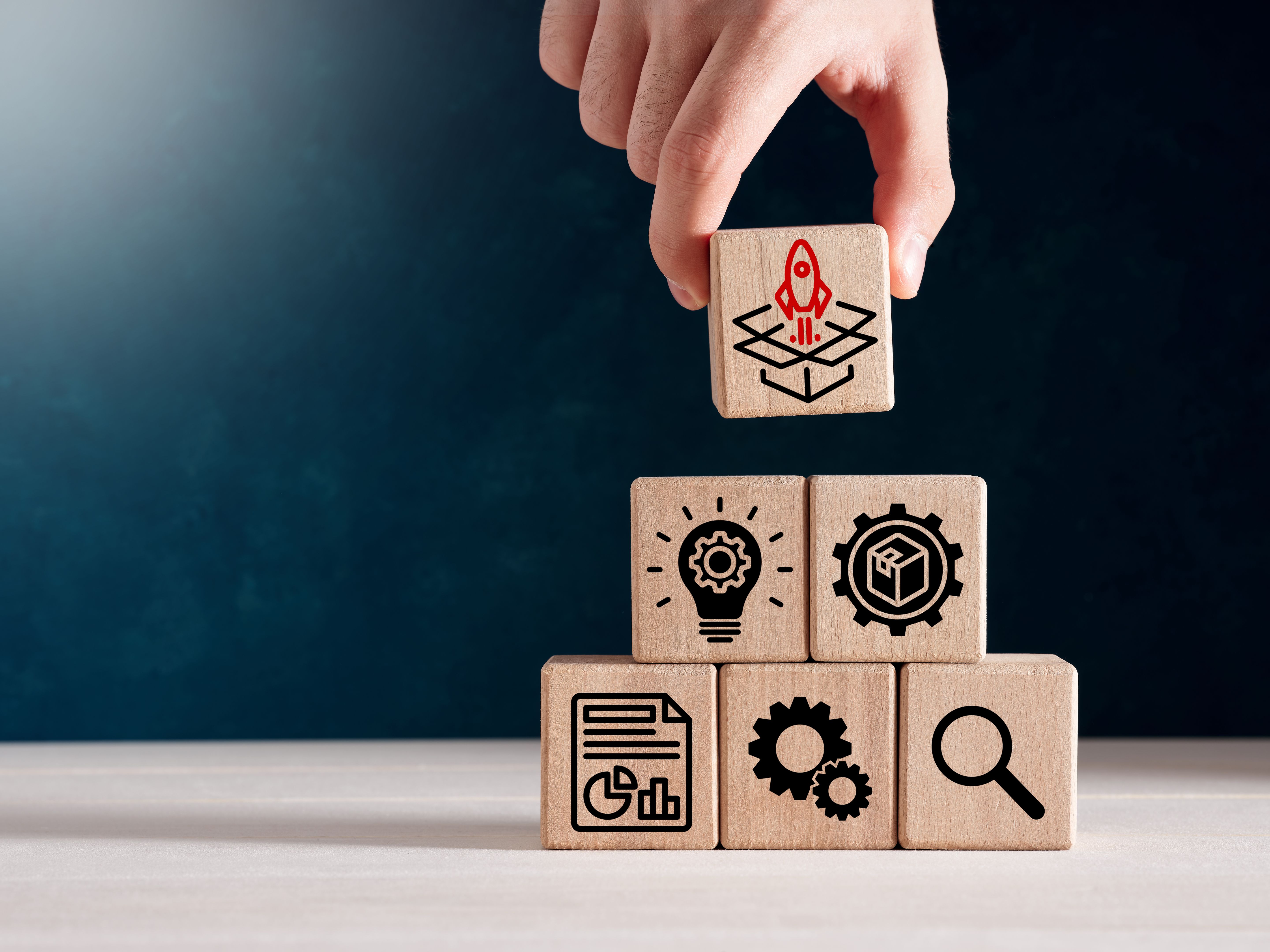
Product development is a critical process for any startup, particularly in a thriving business hub like Weston. It involves taking an idea from concept to market, requiring a blend of creativity, strategic planning, and execution. For startups, understanding this process can be the difference between success and failure.
The journey begins with identifying a market need. This involves extensive research to understand your target audience and their pain points. By doing so, you can create a product that not only attracts customers but also stands out in the competitive landscape.

Creating a Solid Product Strategy
Once you've identified a market need, the next step is to develop a product strategy. This involves setting clear goals, defining your unique value proposition, and outlining your roadmap. Your strategy should align with your business objectives, providing a clear path to achieving them.
Startups should focus on creating a Minimum Viable Product (MVP). An MVP is a simplified version of your product that includes only the core features necessary to solve the identified problem. This allows you to test the market quickly and gather valuable feedback.
Building a Strong Development Team
Having the right team is crucial in product development. As a startup, you may have limited resources, so it's essential to hire skilled professionals who can wear multiple hats. Look for team members who are not only technically proficient but also align with your company culture and values.
Collaboration is key. Encourage open communication and foster a culture of innovation. The right team will not only bring your vision to life but also provide fresh perspectives that can enhance the product.

Iterative Testing and Feedback Loop
Testing is an integral part of product development. Once your MVP is ready, it's time to put it in the hands of real users. Gather feedback and be prepared to make adjustments. This iterative process helps you refine your product and ensures it meets customer expectations.
Utilize both qualitative and quantitative methods to collect feedback. Surveys, interviews, and usage analytics can provide insights into user behavior and satisfaction. The goal is to create a product that not only meets but exceeds customer expectations.
Launching and Marketing Your Product
With a refined product in hand, the next step is launching. Your launch strategy should create buzz and attract your target audience. Consider leveraging social media, press releases, and partnerships to increase visibility.
Marketing doesn't end with the launch. Continuous promotion and engagement with your audience are vital for sustained success. Listen to your customers and keep evolving your product to meet their changing needs.

Conclusion: The Path to Success
Product development in Weston offers unique opportunities and challenges for startups. By understanding the process, creating a robust strategy, building the right team, and continually iterating based on feedback, startups can successfully bring their products to market.
Remember, the journey doesn't end with the product launch. Ongoing innovation and adaptation are crucial to staying ahead in the competitive landscape. With the right approach, your startup can not only survive but thrive in the dynamic world of product development.