Why SolidWorks is Essential for Innovative Product Development


Introduction to SolidWorks
In today's fast-paced world of product development, leveraging the right tools is crucial for maintaining a competitive edge. SolidWorks, a leading computer-aided design (CAD) software, has become an indispensable tool for engineers and designers aiming to innovate and improve their product designs. With its robust features and user-friendly interface, SolidWorks empowers professionals to bring their ideas to life efficiently and effectively.
SolidWorks provides a comprehensive suite of tools that streamline the design process. From initial concept sketches to detailed 3D models, it supports every phase, ensuring high-quality outcomes. This integration enhances collaboration and reduces time-to-market, making it an essential asset for any development team focused on innovation.
Streamlined Design Process
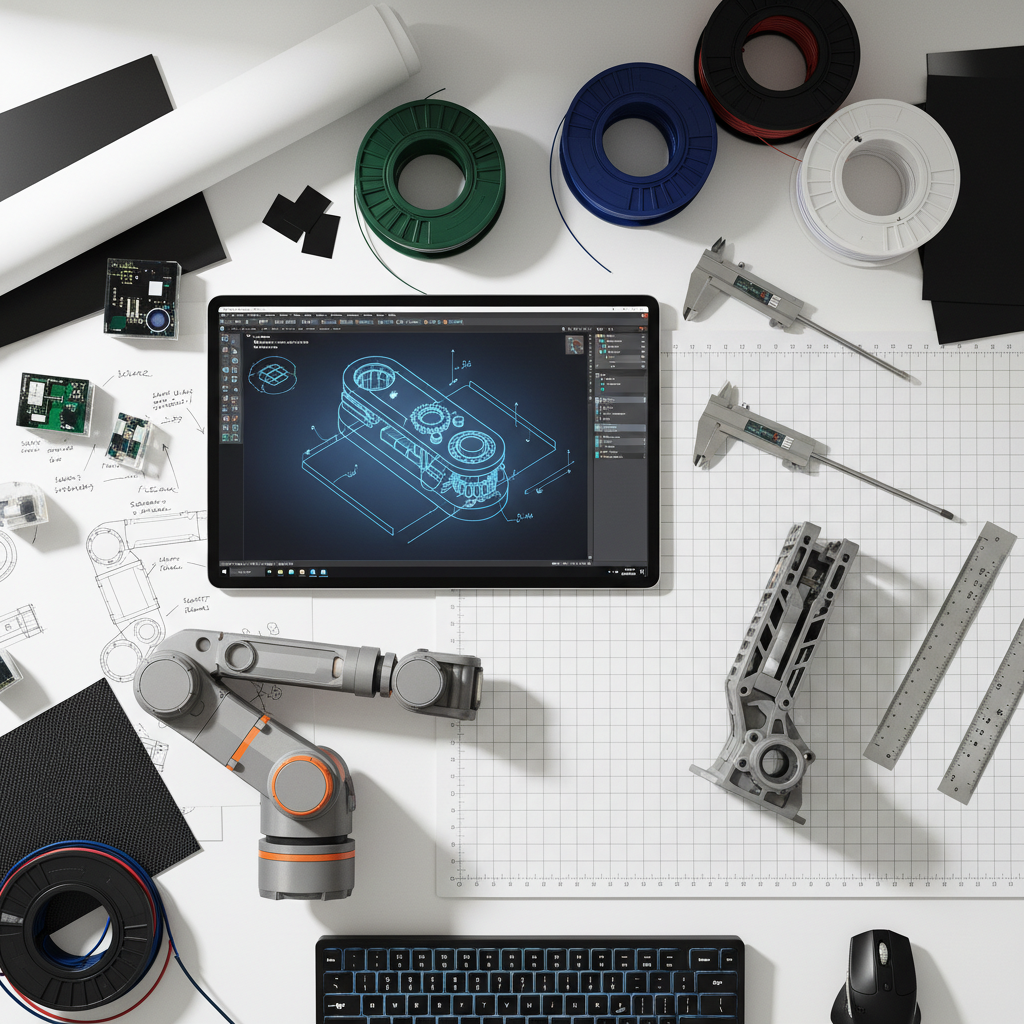
One of the key advantages of using SolidWorks is its ability to streamline the design process through parametric modeling. This approach allows designers to create highly detailed and customizable models, which can be easily adjusted and optimized based on design requirements. The software's intuitive interface and powerful features enable users to focus more on creativity and less on technical hurdles.
Furthermore, SolidWorks offers an extensive library of components and materials, which can significantly reduce design time. By utilizing these resources, engineers can quickly assemble prototypes and test various configurations, leading to faster iterations and more innovative solutions.
Enhanced Collaboration
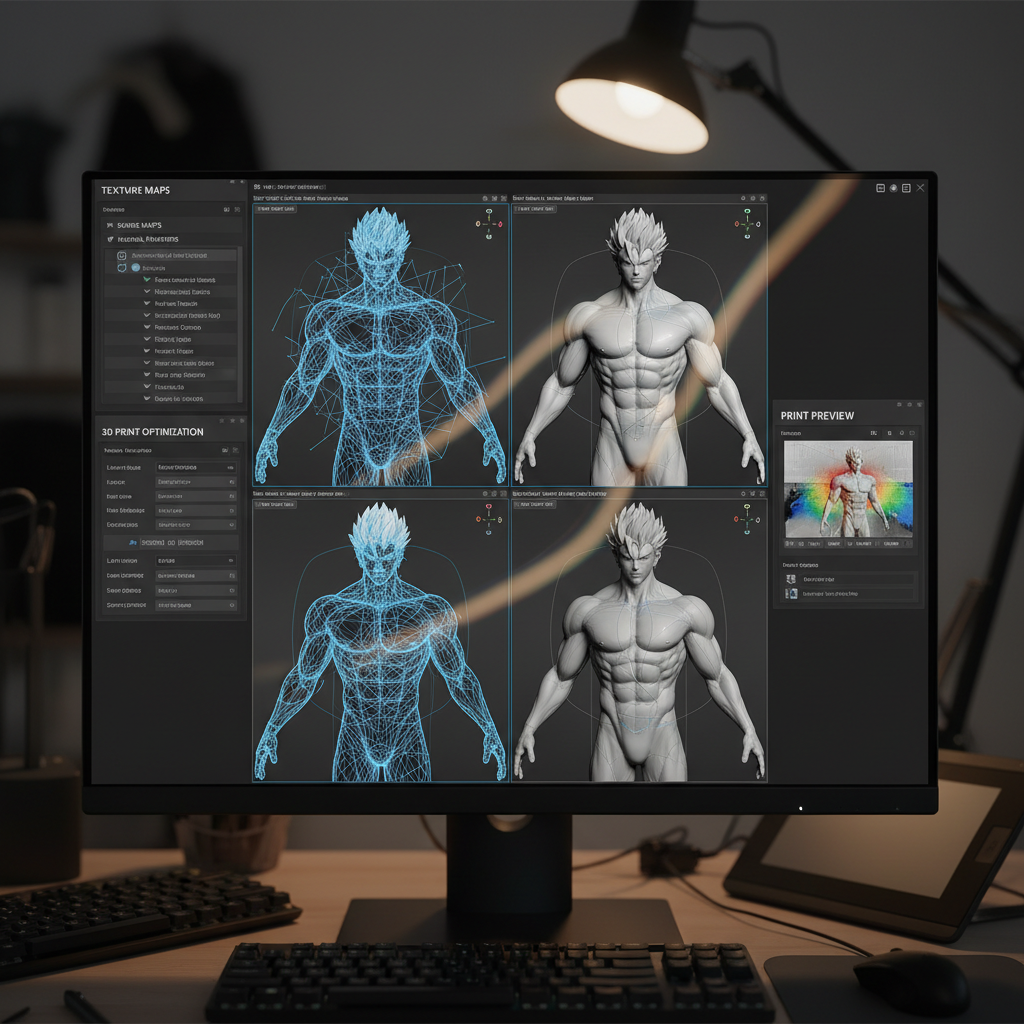
In product development, collaboration is key. SolidWorks facilitates seamless communication among team members by integrating with various platforms and supporting multiple file formats. This compatibility ensures that designs can be easily shared and reviewed, regardless of the tools or software used by different stakeholders.
Moreover, SolidWorks’ cloud-based solutions enable real-time collaboration, allowing teams to work together effectively, even when geographically dispersed. This feature is particularly beneficial for global companies that rely on diverse expertise and input to drive innovation.
Simulation and Testing
Another critical aspect of product development is testing and validation. SolidWorks excels in this area by offering powerful simulation tools. These tools enable engineers to test their designs under various conditions, ensuring that the final product will perform as expected in real-world scenarios.
By simulating factors such as stress, heat, and fluid dynamics, SolidWorks allows for early detection of potential issues, reducing the need for costly physical prototypes. This capability not only saves time and resources but also enhances the reliability and performance of the final product.

Cost-Efficiency and Sustainability
SolidWorks contributes to cost-efficiency by optimizing the design process and minimizing material waste. Its advanced features help engineers create sustainable products by analyzing environmental impact and material efficiency during the design phase. This focus on sustainability is not only beneficial for the environment but also for reducing production costs.
By implementing SolidWorks in the product development cycle, companies can achieve a balance between innovation and sustainability, ultimately leading to more responsible and efficient manufacturing practices.
Conclusion
In conclusion, SolidWorks is an essential tool for innovative product development. Its comprehensive features streamline design processes, enhance collaboration, and ensure thorough testing and validation. By integrating SolidWorks into their workflows, companies can not only accelerate their development timelines but also create better, more sustainable products.
As technology continues to evolve, staying ahead in the field of product development requires leveraging powerful tools like SolidWorks. Embracing this software can significantly impact the success and innovation of any design team.